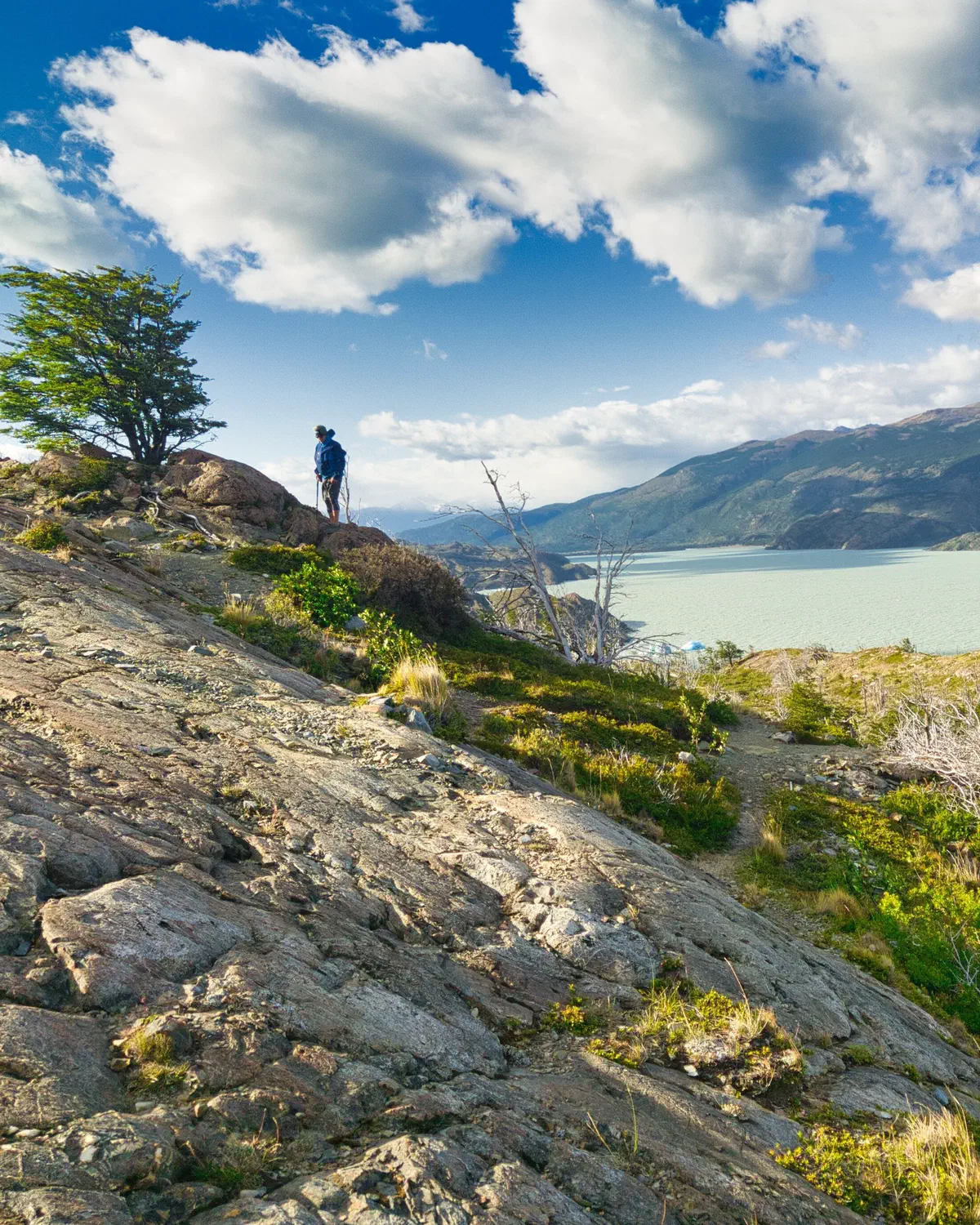
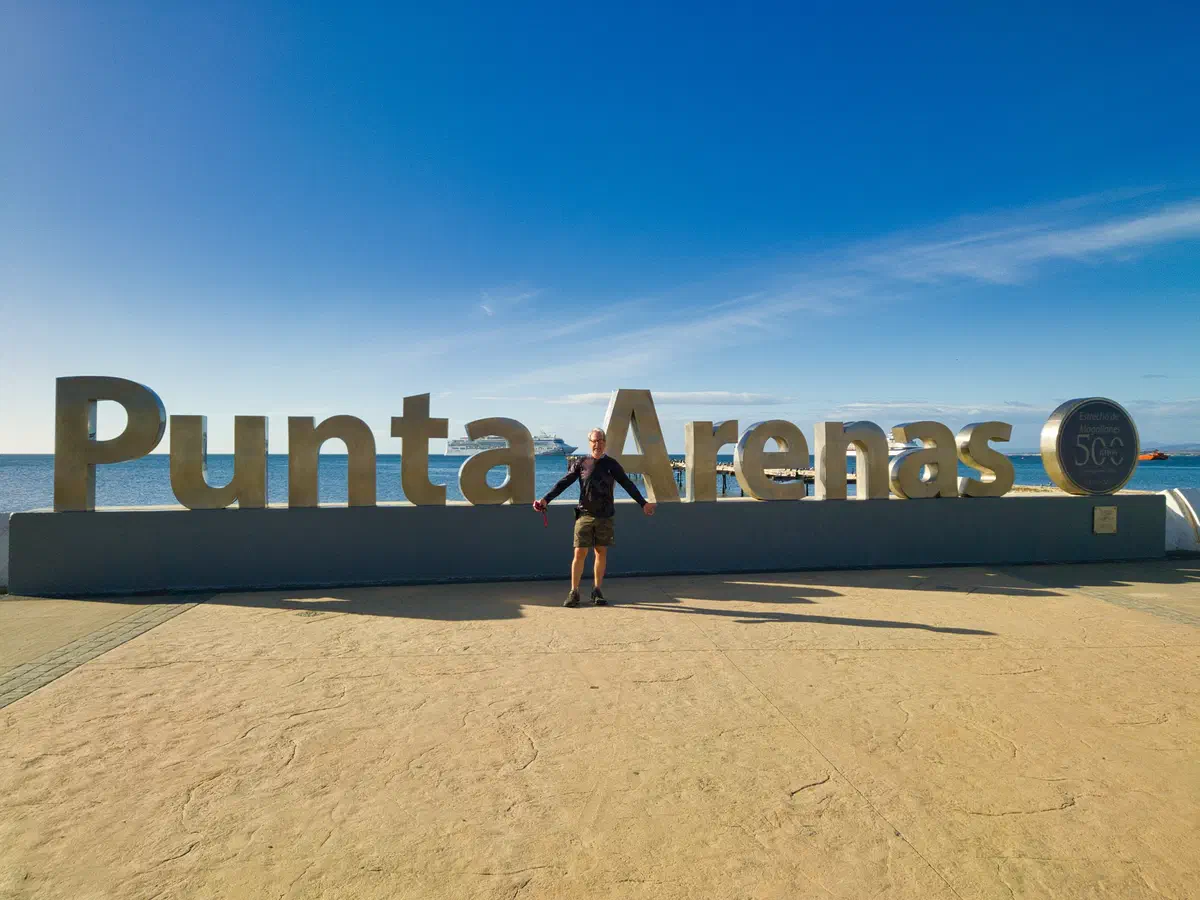
The Plan
After about three years of planning and delays (due to COVID) the long awaited Patagonia hiking trip finally came to fruition.
The due to personal issues, the trip switched from the the Fitz Roy peaks (in Argentina) being the main hike, to the Torres del Paine (in Chile) being the main hike, with the Fitz Roy peaks as the minor hiking area.
I must say that both places were spectacular and I have no regrets about this decision. Either place as the main hiking area would have been fine. The only caveat to this is that the Torres del Paine require more of a commitment of days, where el Calten can be easily done with day hikes. This turned out to work in our favor.
So, instead of flying into Santiago, Chile driving and spending 4 days of hiking around the Fitz Roy peaks, it was decided that we would instead fly into Punta Arenas, drive to Torres del Paine, hike for 4 nights and 5 days - then drive to el Chalten and hike the Fitz Roy peak area for 2 days of day hiking; then drive back and fly out of Punta Arenas.
Doing the “W” circuit in Torres del Paine requires a lot of planning and reservations. And, there really isn’t much detailed information online about doing this. And, the website is dreadfully difficult to maneuver. You can’t just show up and hike. You need to stay at designated areas called refugios. And, they are tightly controlled by two different companies, depending upon which area on the “W” the refugio is located.
Here is a link to the website to make the reservations. The site is horrible, but that was the only way I could find to do it. And, everyone complained about it on the hike. I used the personalized menu item.
https://www.bookingpatagonia.travel/#/
Things to keep in mind:
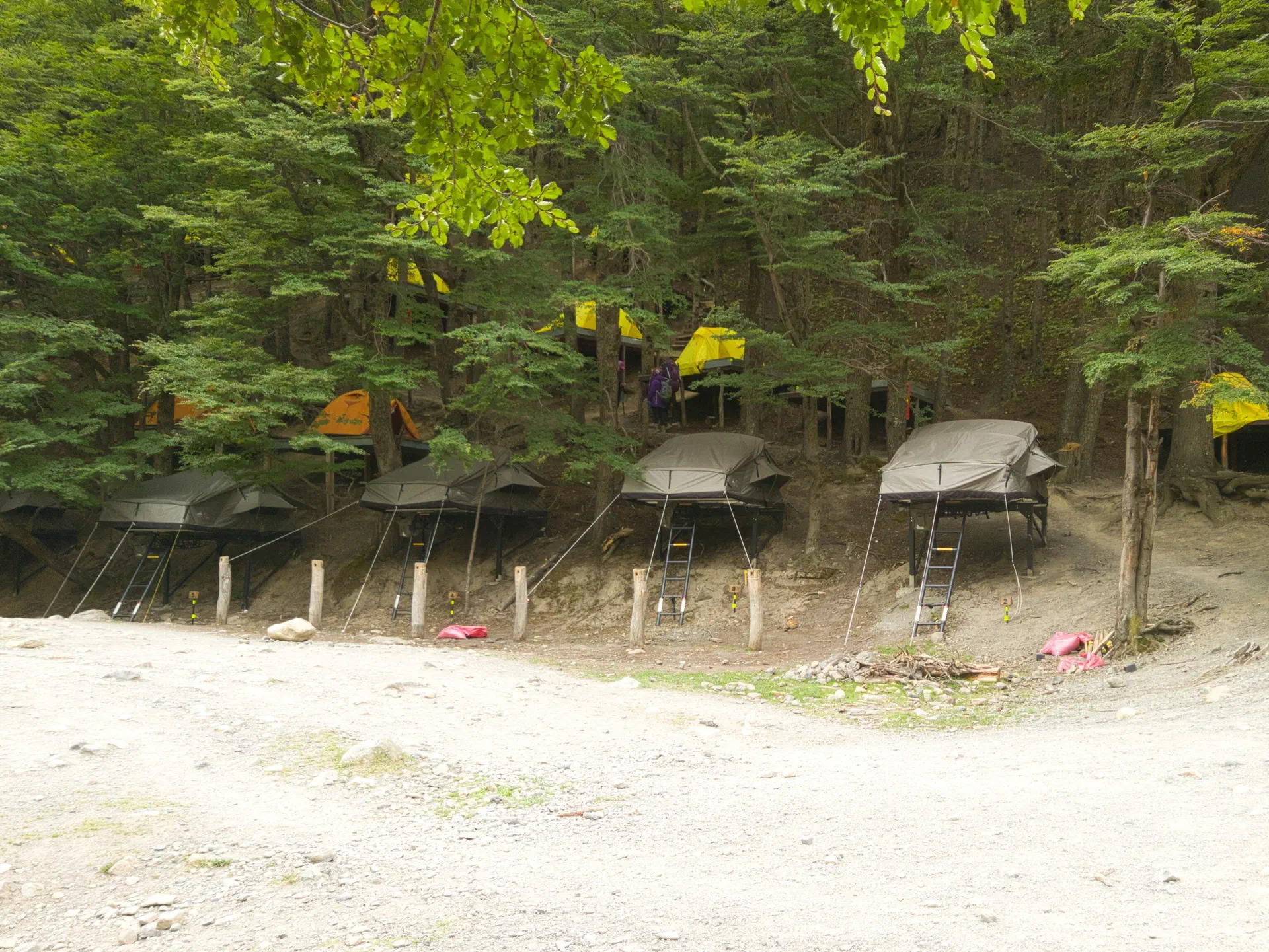
- you can use their tents. You don’t HAVE to bring your own. Most regugios force you to use this option - so just go with it. We used our tents only once at refugio Grande. No where else allowed it. had to carry them the rest of the trip in our backpacks.
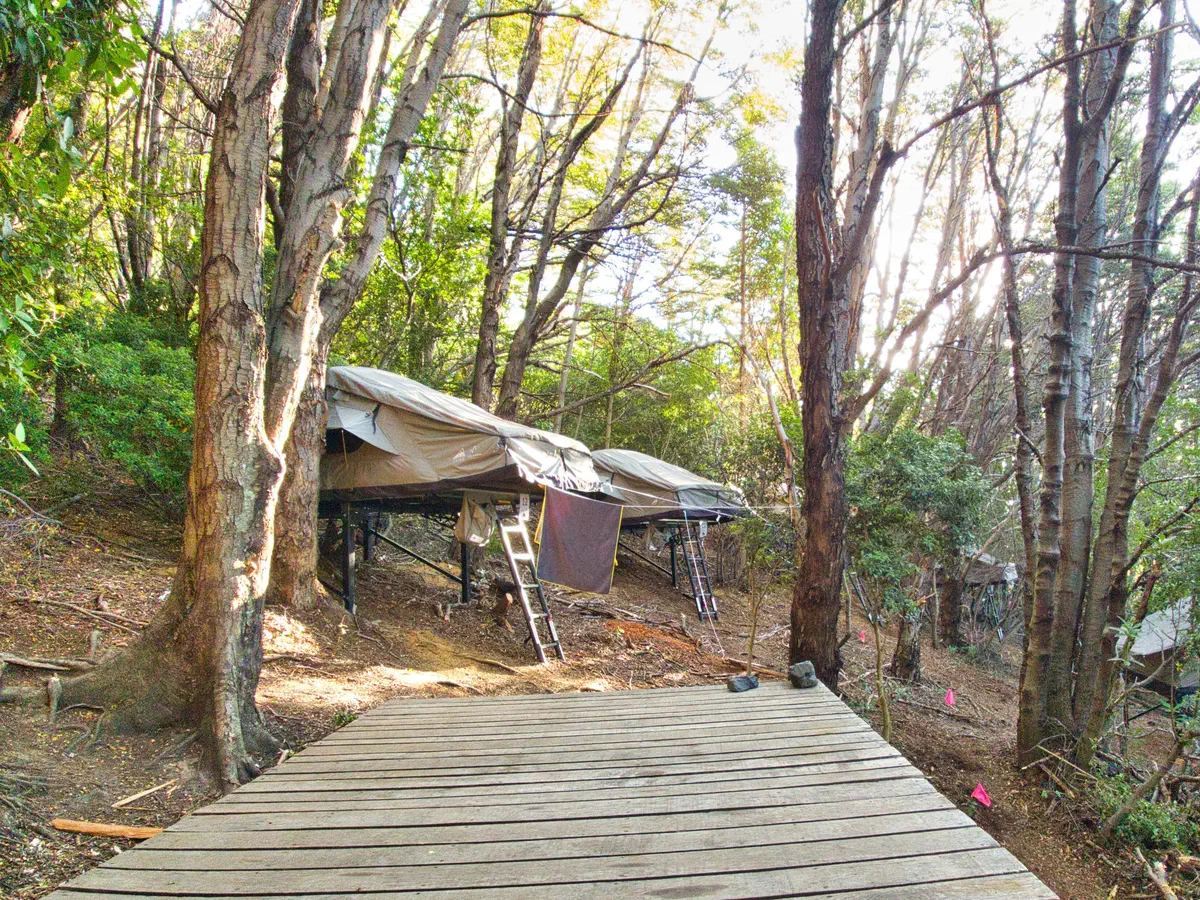
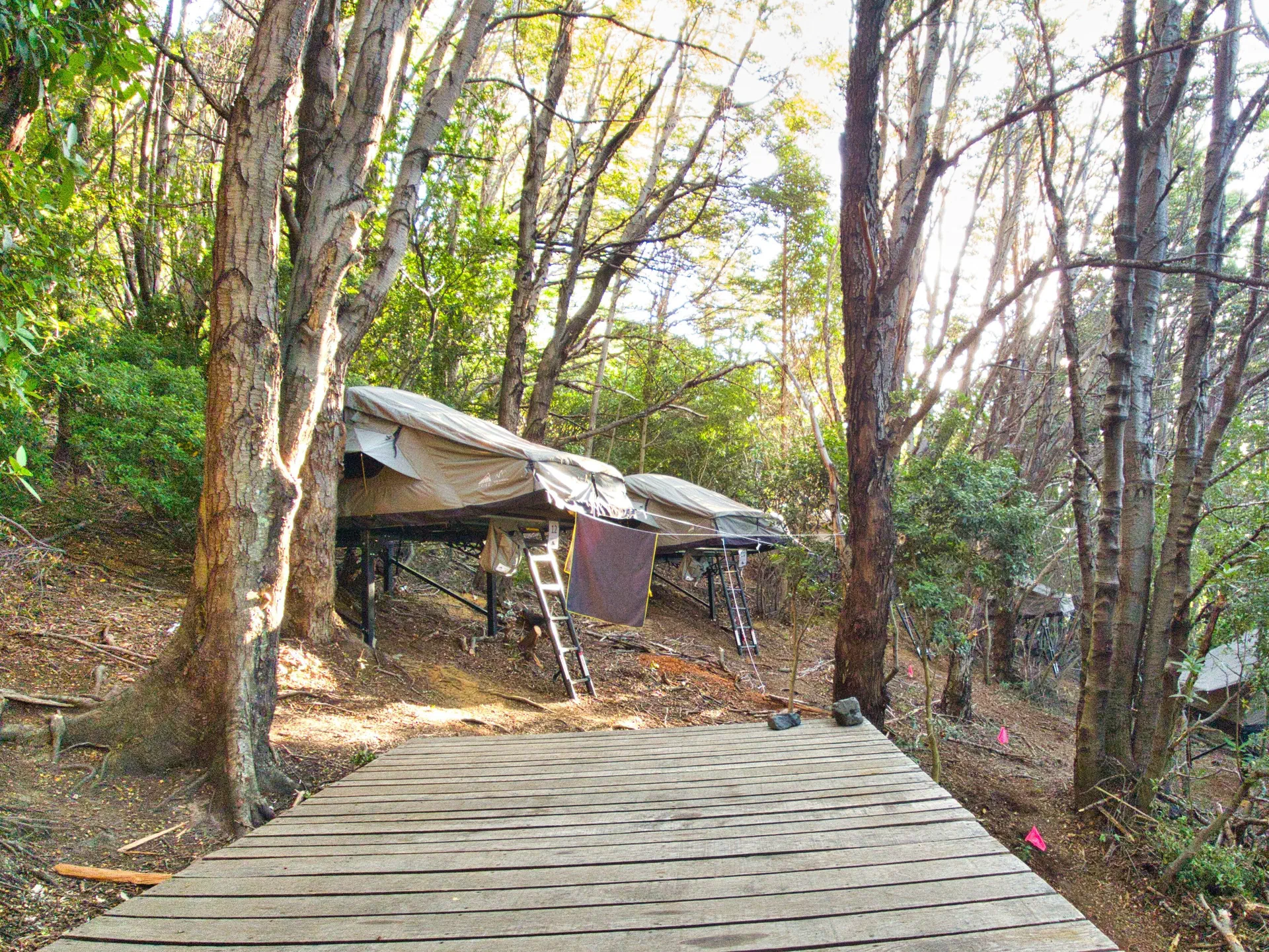
- The premiere camping tents are tents on stilts (see main photo of next section). They are expensive, but sometimes the only option.
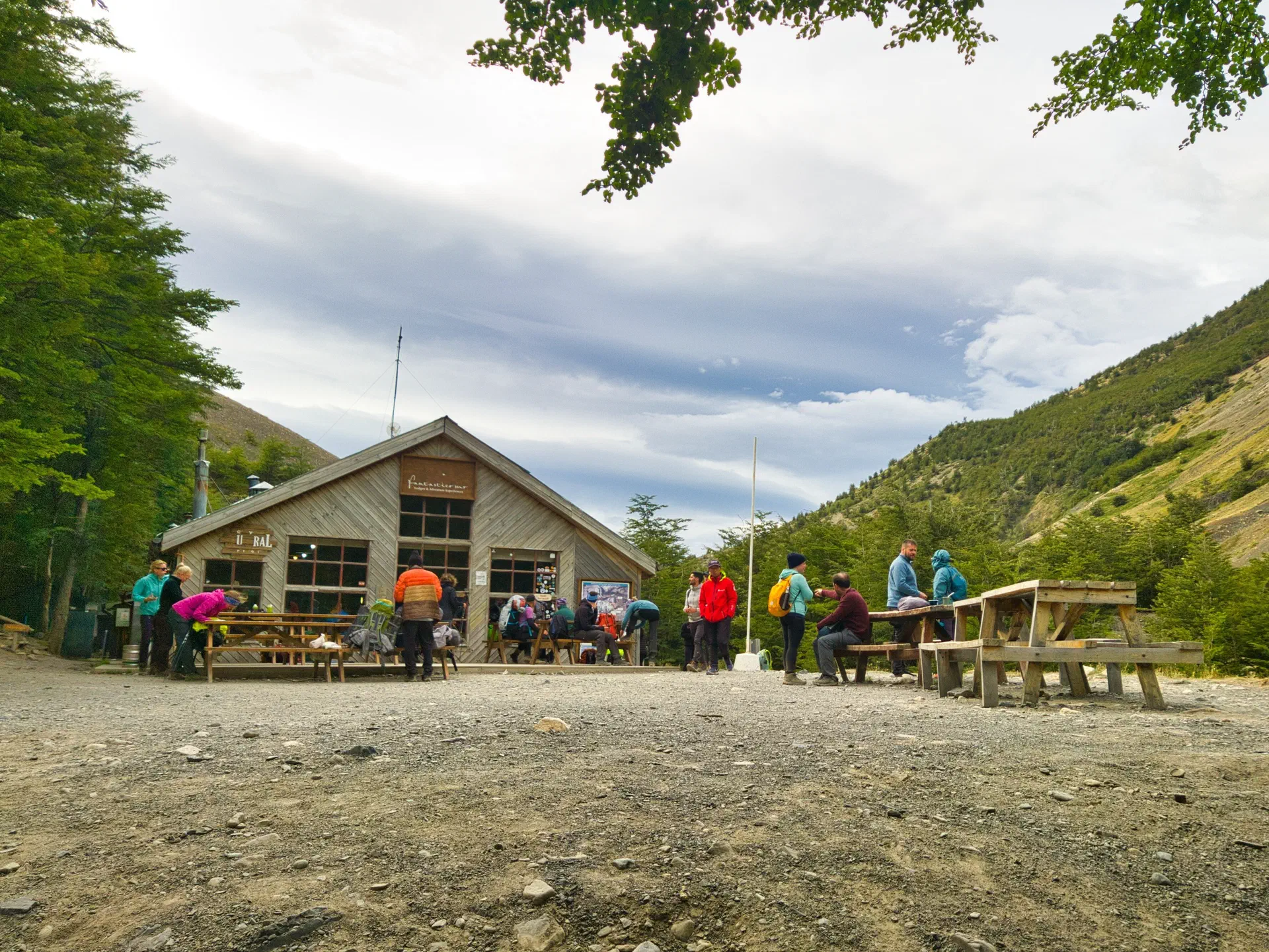
- The only really stocked refugios that I noticed are Grande and Chileno. The others are stocked, but not as well and may have limited options for food.
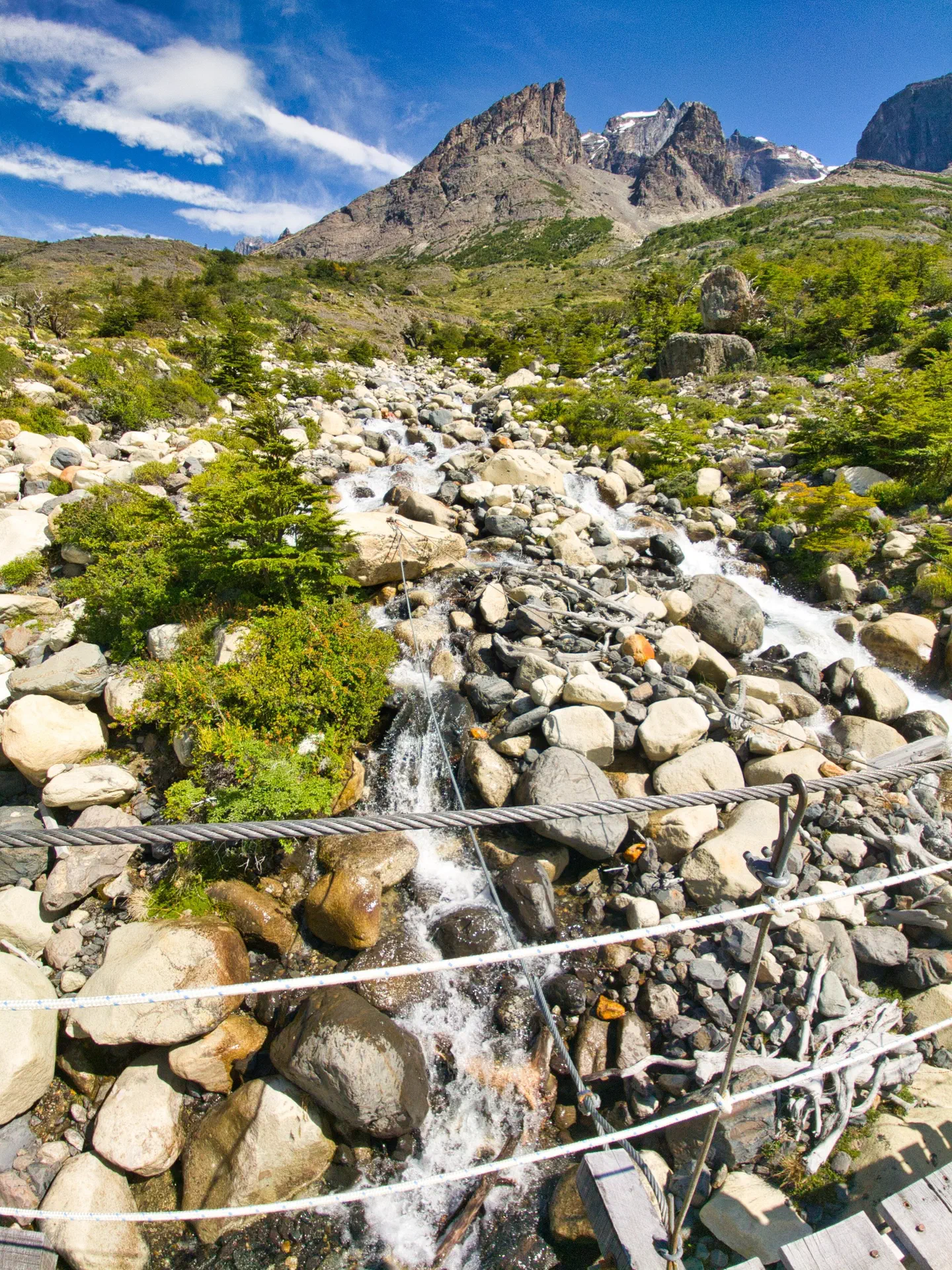
- You CAN drink out of the streams. Everyone did this. No need to purify. If you ask where you can get water, they will just tell you to drink from the streams. Some refugios have a spicket that supplies treated water. Both me and Tim got our water mostly from the streams and had no ill effects. We just chose water supplies higher up on the trails and closer to the glaciers above the refugios.
How we chose to do
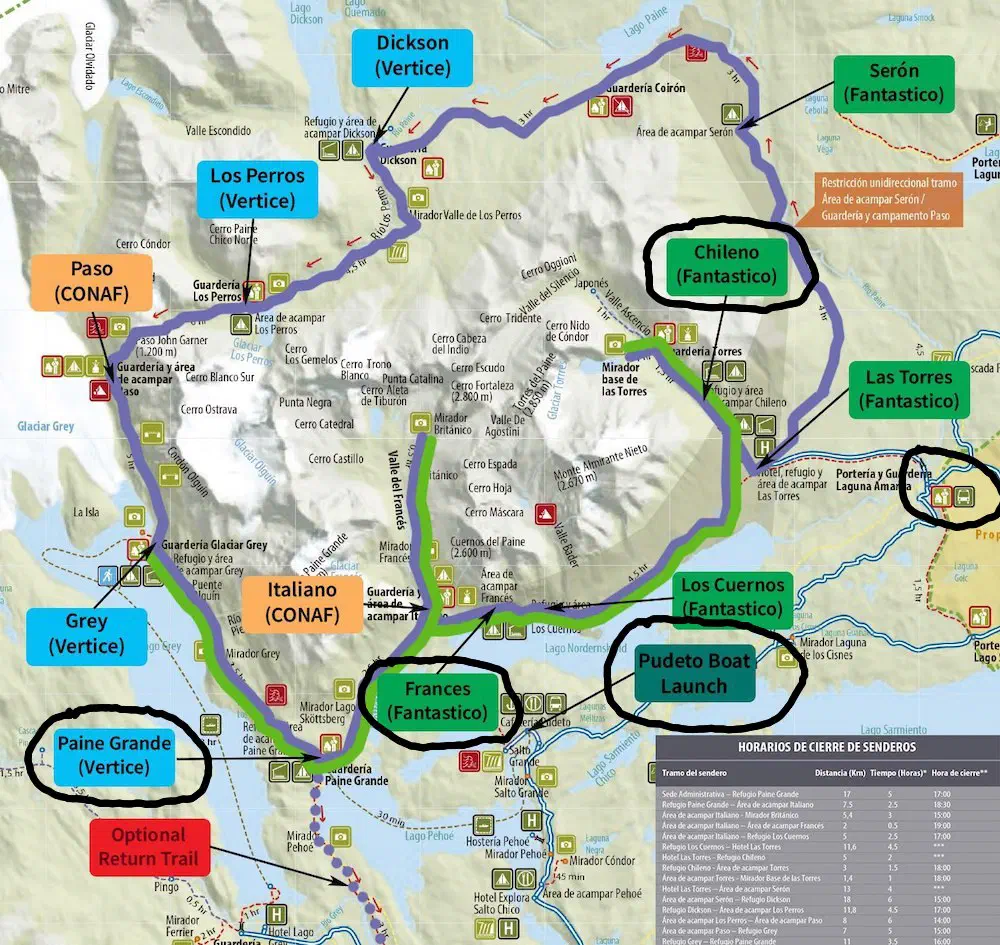 The ”W” Circuit - places we used and stayed…
After some searching, I found a YouTube video from someone who specified if they were to do it again, this is how they would do it. I took that to heart and followed the general plan they laid out. It is as follows:
Day 1 (getting there)
- Stay in Puerto Natales the night before going to Torres del Paine
- Drive to Torres del Paine park (starting at about 5am) and enter the park through the Laguna Armaga Ranger Station
- Drive to and park in refugio Central’s parking lot and catch the bus (8:15am) back to the ranger station
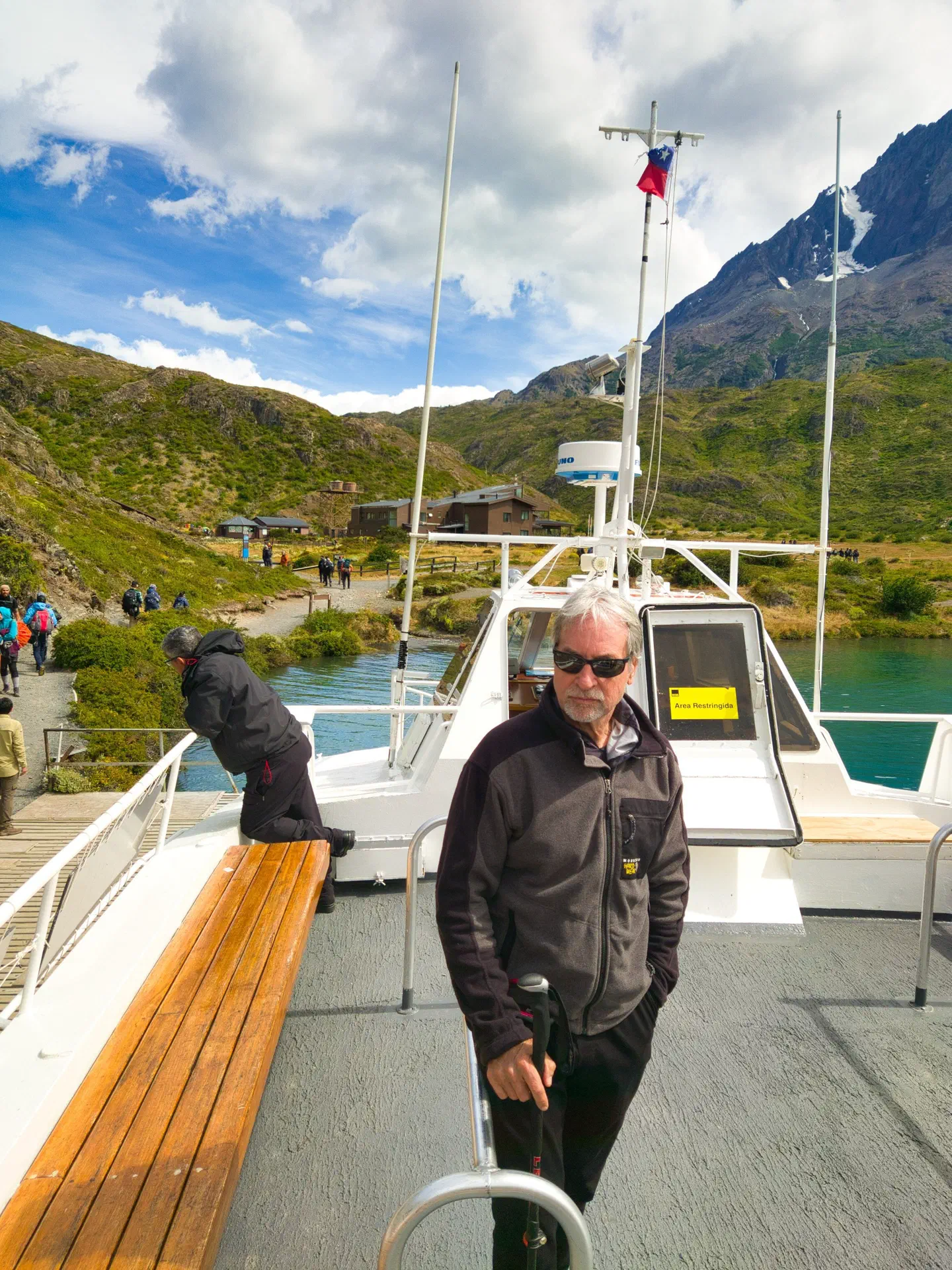
- Catch the bus (9:00am) to the Peduto Ferry (11:00am) that takes you to refugio Grande and either stay there for the evening or (if you can get a reservation) hike up to refugio Gray and stay there for the evening
Day 2 (first part of the W)
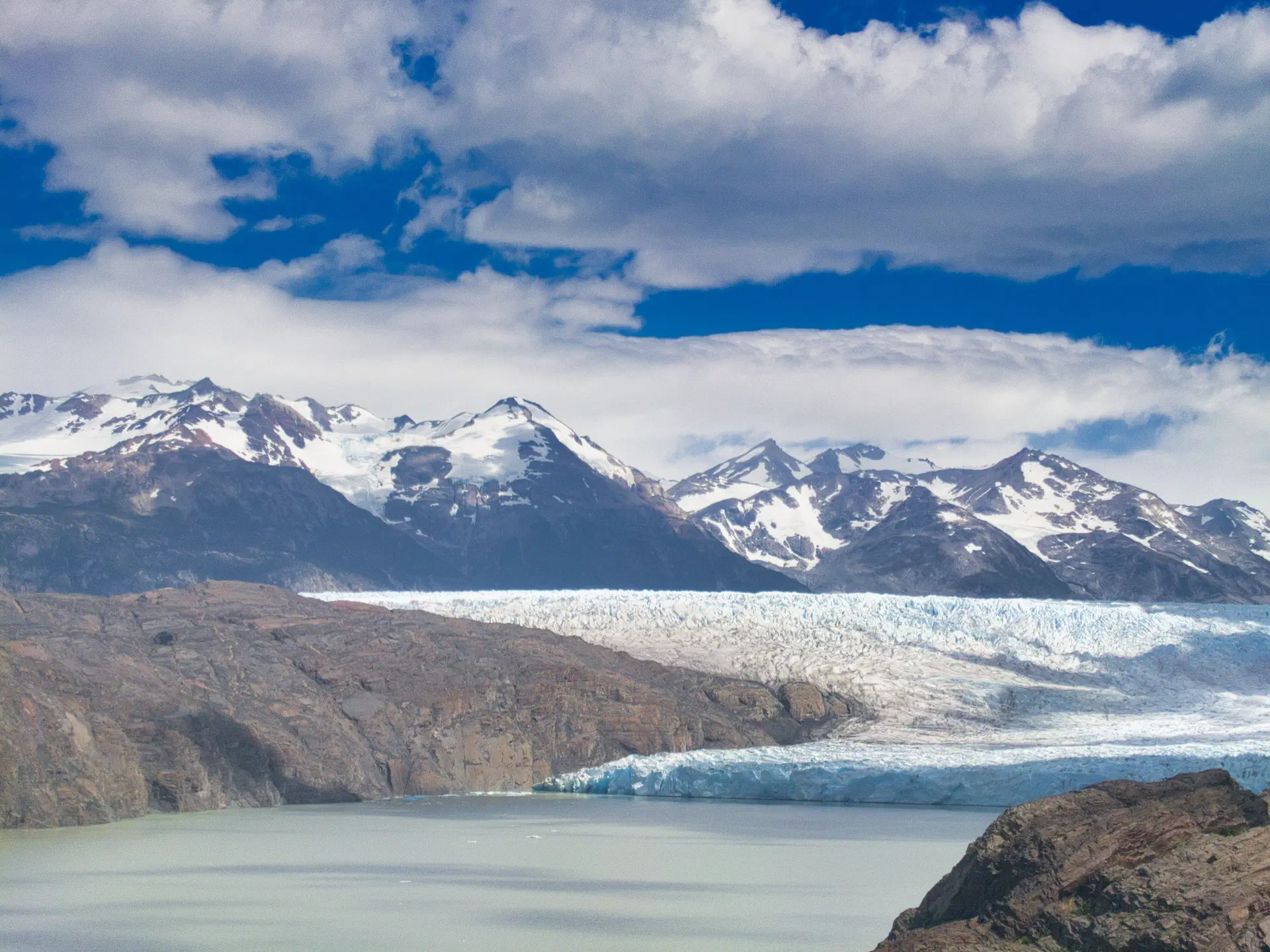
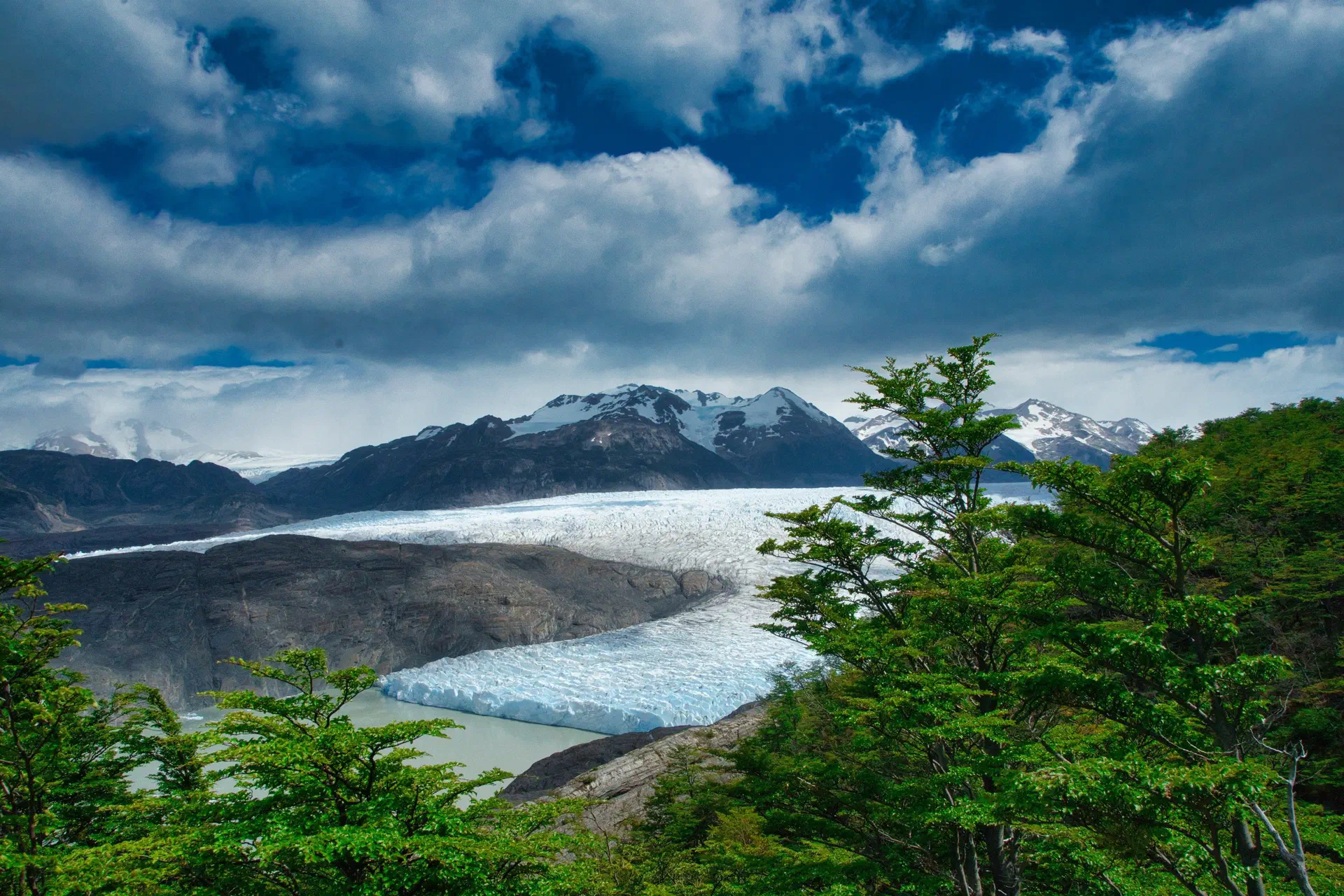
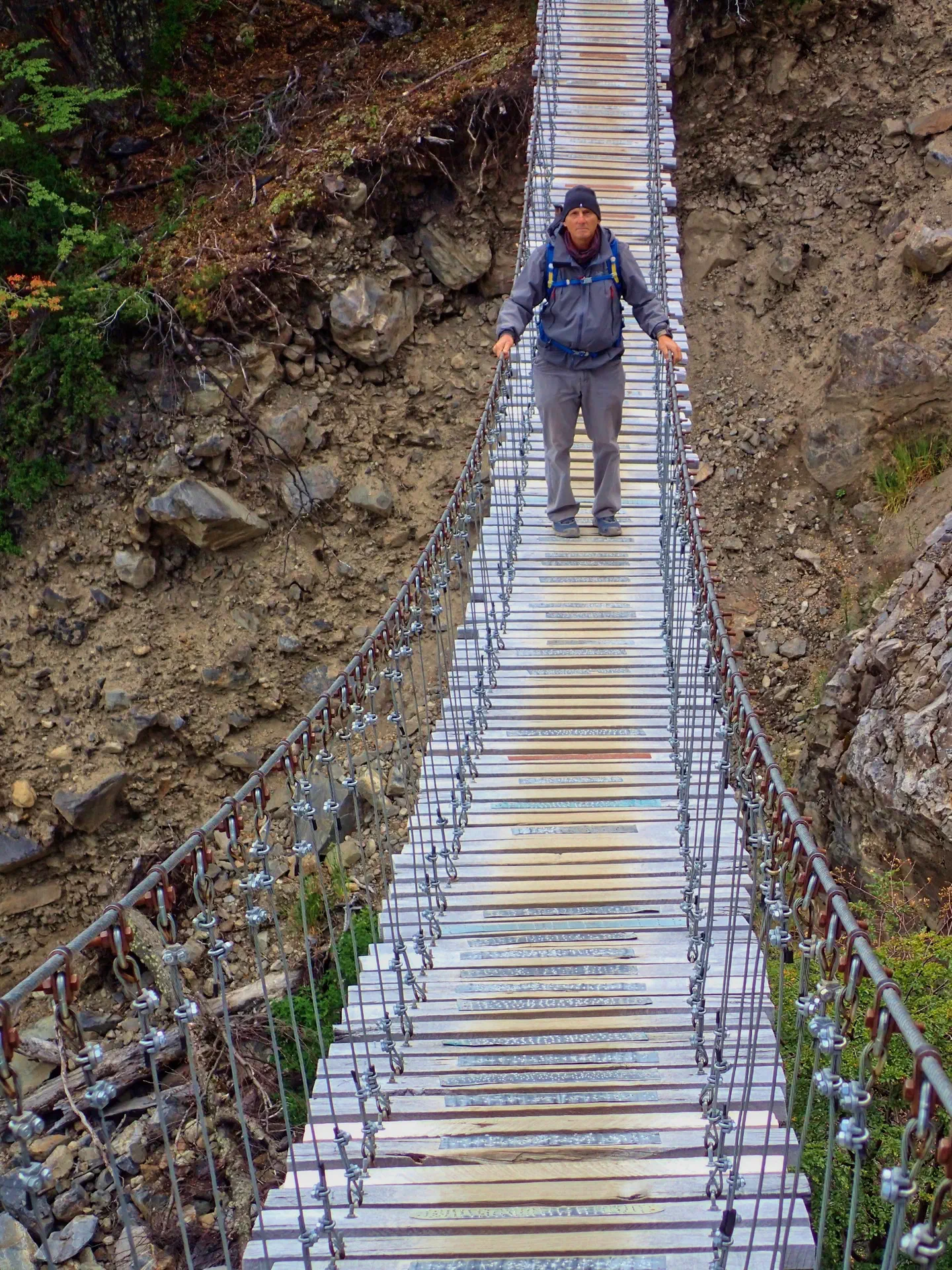
- Hike up to the Gray glacier, and if you can make it, up to John Gardner bridge. We didn’t get that far, since we stayed in Grande for the evening. We made it to the 2nd hanging bridge (which had great view of the glacier).
- Hike back to the refugio for the evening. Our round trip was 30k from Grande to the 2nd hanging bridge and back to Grande. If you can’t make it that far in a day, and you can’t get a reservation at Gray, at least make it to the Gray Mirador (view), which is about half the distance.
- Distance, about 30k (if staying at Grande - much shorter if you can stay at Gray).
Day 3 (middle part of the W)
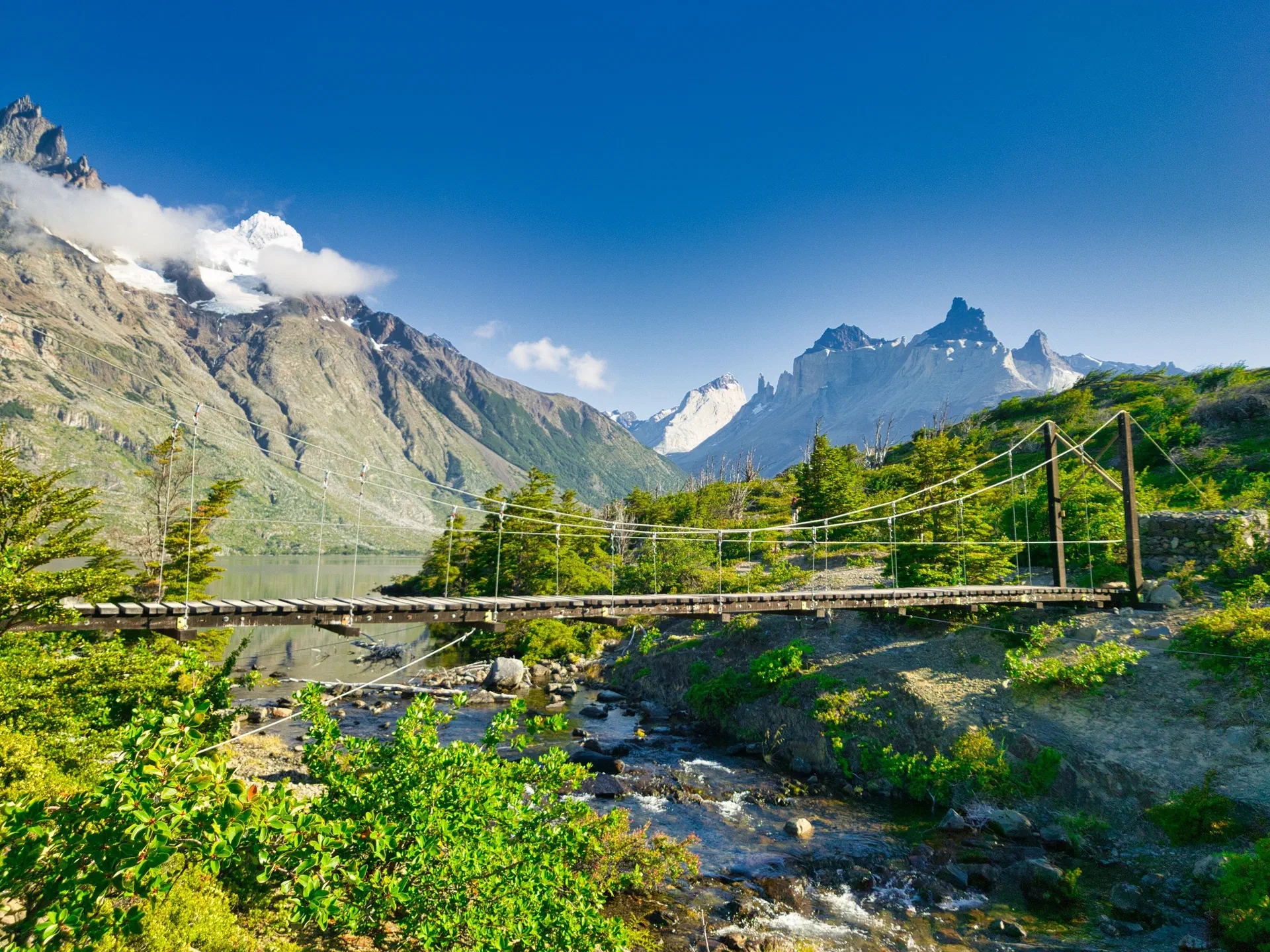
- Hike to refugio Italiano, leave your big pack and only take a day pack (or some water and food) - everyone does this (there is an area designed for this - you can’t miss it, just look for all the backpacks)
- Hike up to Mirador (view) Italiano. Make sure you make it all the way to the end - its work it.
- Hike back to the refugio you are staying at. We stayed at refugio Fances, but Cuernos seemed like a nicer (but further) place to stay.
- Distance, about 25k. A few k further if you stay in refugio Cuernos.
Day 4 (the final bottom part of the W)
- Hike to refugio Chileno. The key at this refugio is to get out hiking early in the morning. Buses come to refugio Central and do day hikes up to the Mirador (view) Base Torres. And there are a lot of them! And, they are annoying.
Day 5 (the last upper part of the W - and out)
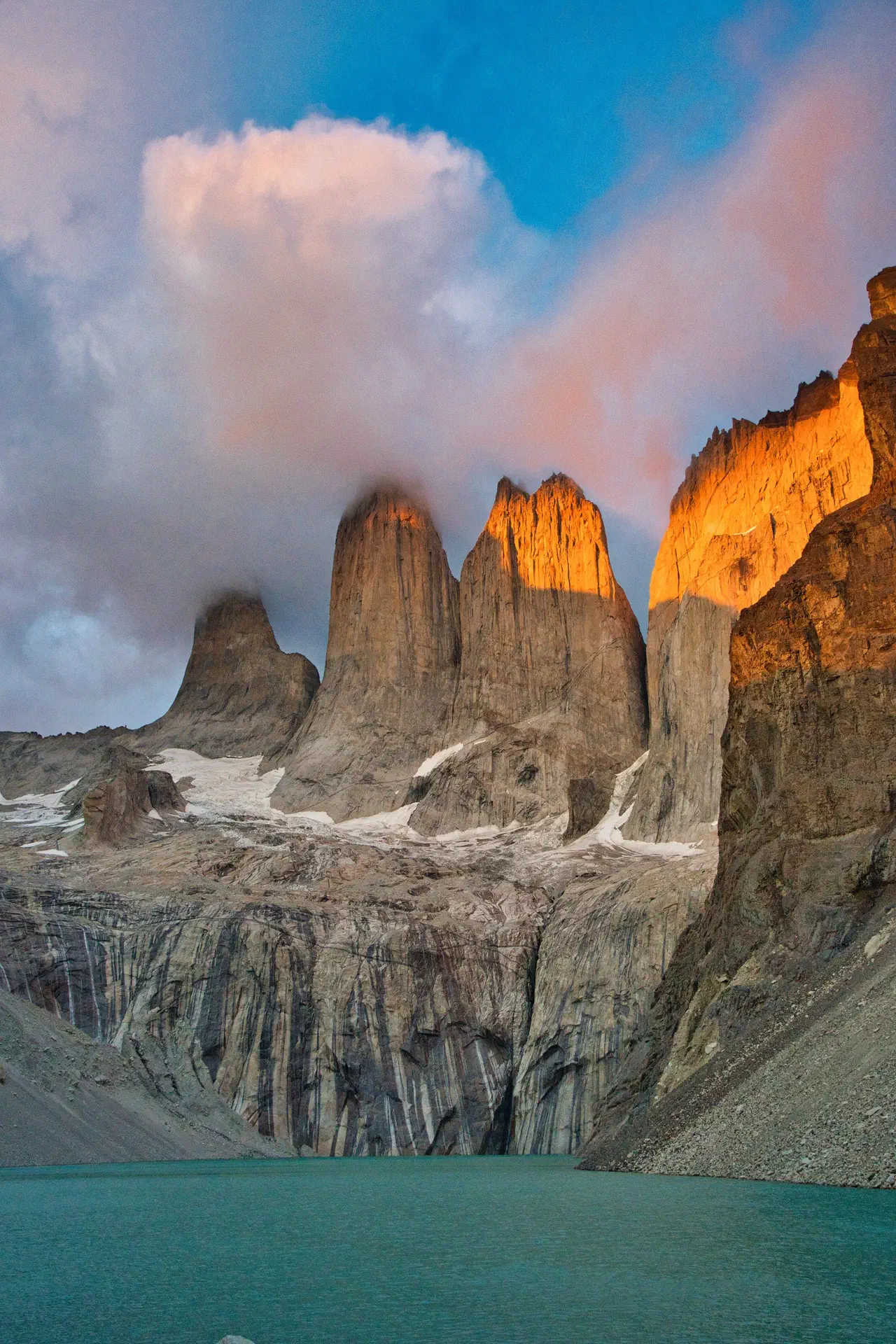
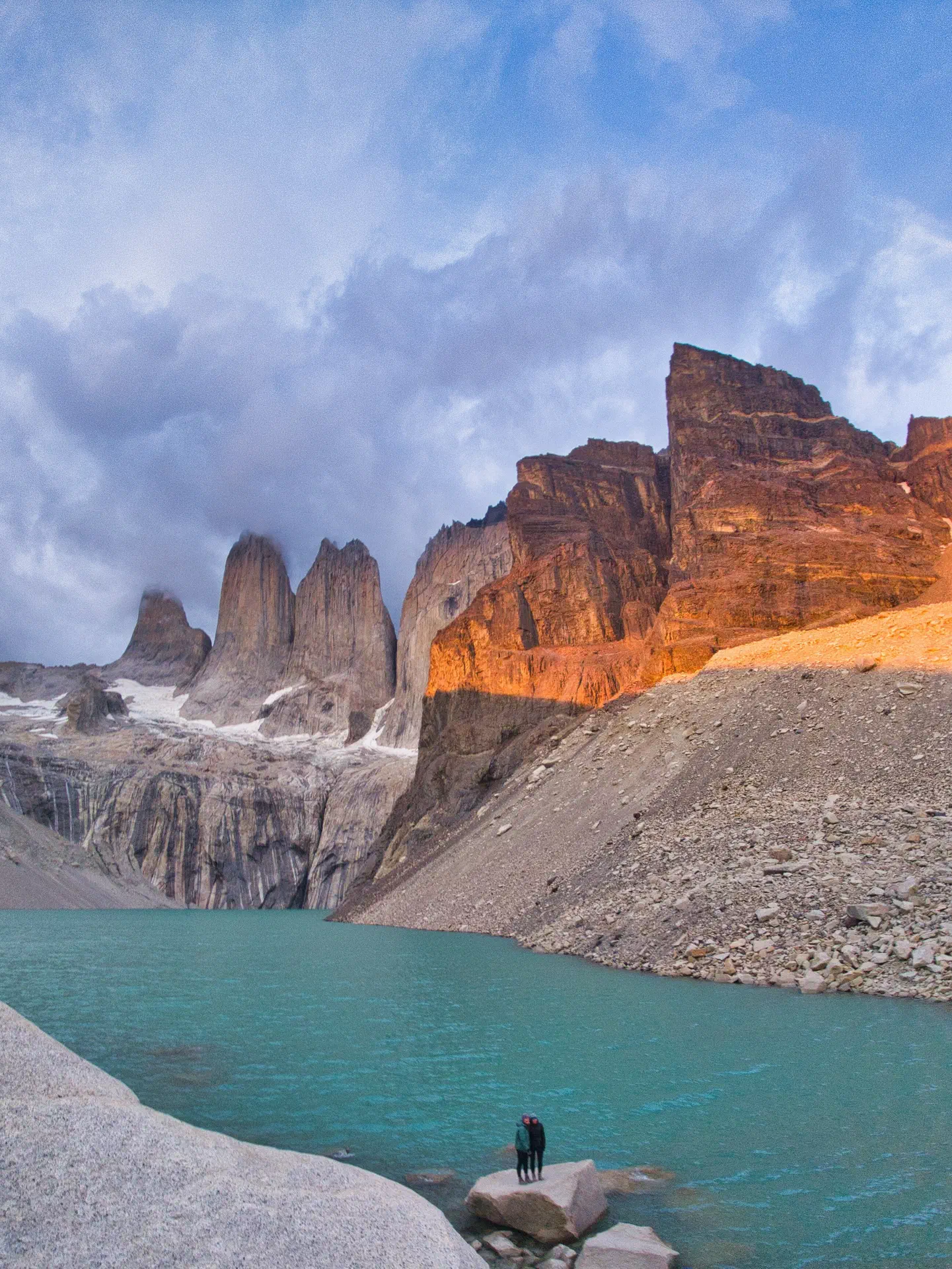
- If you want to see the sunrise for Base Torres, you need to leave refugio Chileano about 2-2.5 hours before sunrise. The sunrise only shines on the peaks for a few minutes, so timing is everything. The hike is all up hill, and don’t forget to bring a headlamp and very warm clothing (or sleeping bag) - it gets very cold before sun up. Lots of cold wind! I did this, but left way too early (2am). My hiking partner (Tim) chose not to. Not sure if he made the better decision or not. You can do this section without your main backpack. It makes the hike much easier.
- Hike back to refugio Chileno and pick up you main backpack. There is a storage area (in the building) that will hold your backpack for you. Its a storage shelf in the hallway to the dorms, on the left, just past the hallway entrance. You can just leave it there if you get out early, before people rise - no problem. They just don’t tell you this. Its just something you have to figure out.
- Hike down to refugio Central and back to your car and leave the park.
All in all, not a bad plan. Small things I might have changed:
- I would stay in tents the whole time - I’m not a fan of bunks and sharing rooms. We did this one night (Day 2).
- Try to stay in refugio Gray (not refugio Central) - you can hike further on the first part of the “W”. Refugio Central is loaded with people - not to my liking. But, refugio Central is well stocked.
- Might want to stay in refugio Cuernos (not refugio Frances - definitely not Italiano). Further hiking (Day 3), but nicer place and you can swim in the lake. Everyone that stayed there said the atmosphere of the place was very welcoming.
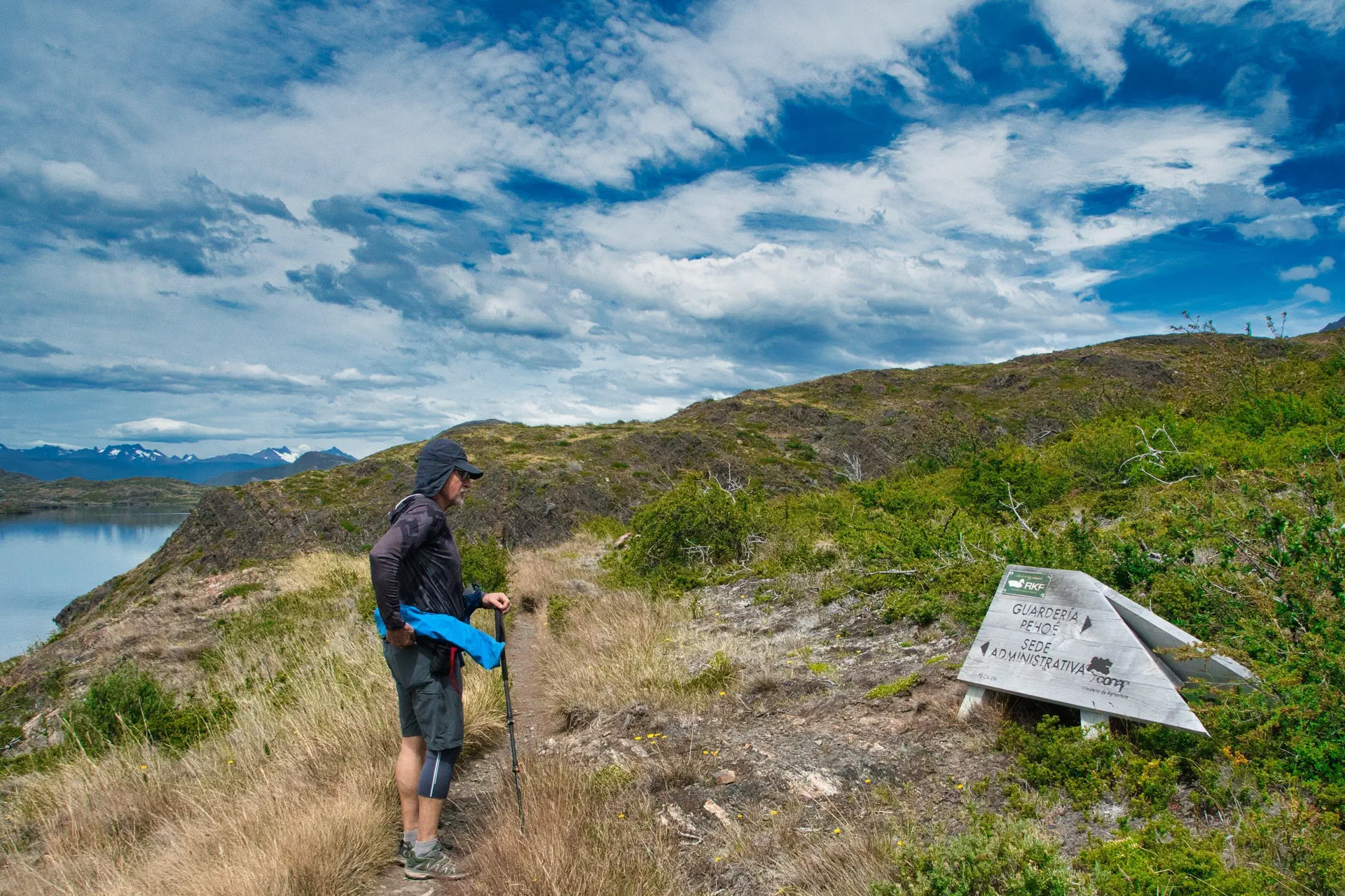
Day 1 - Refugio
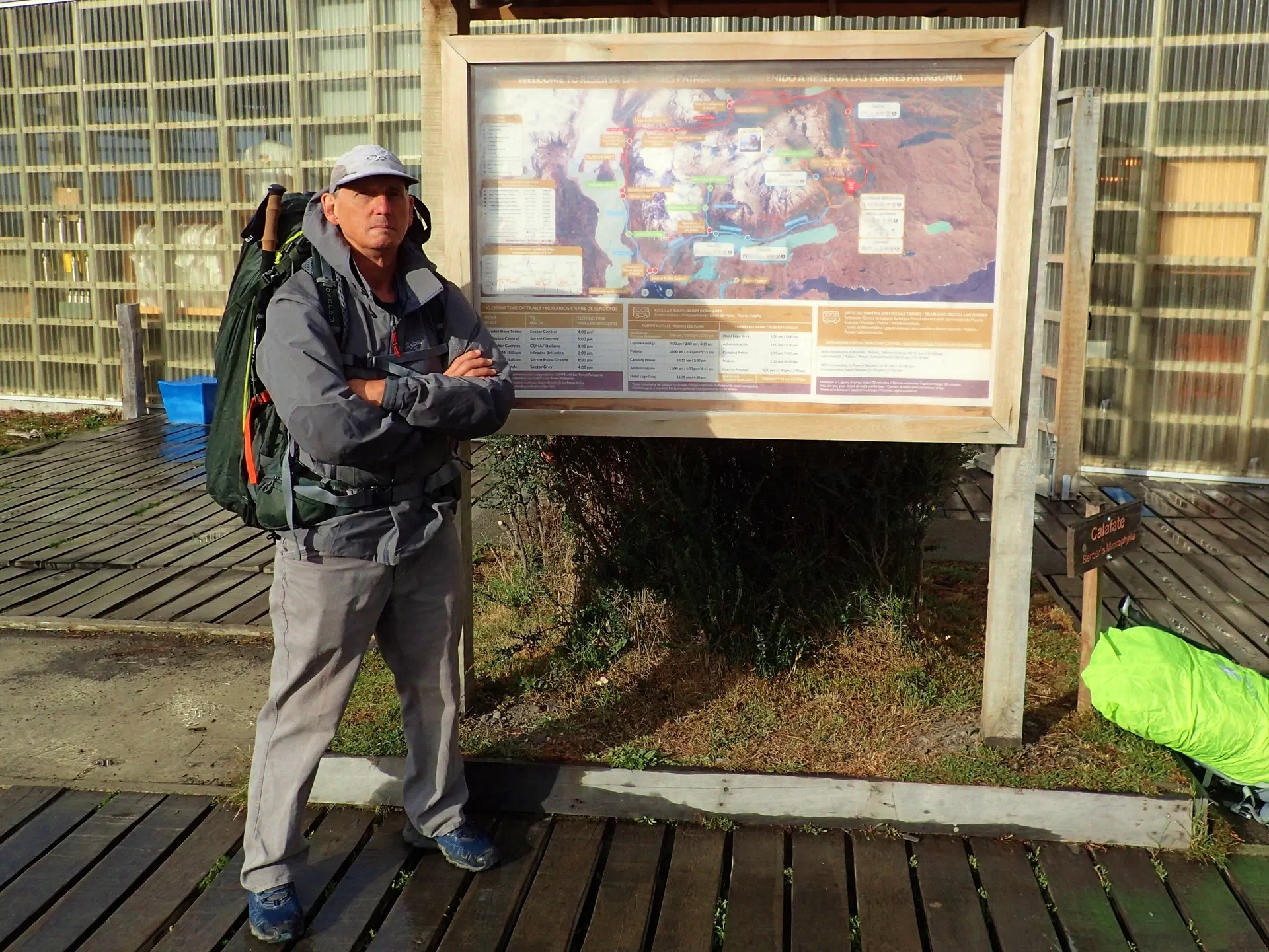
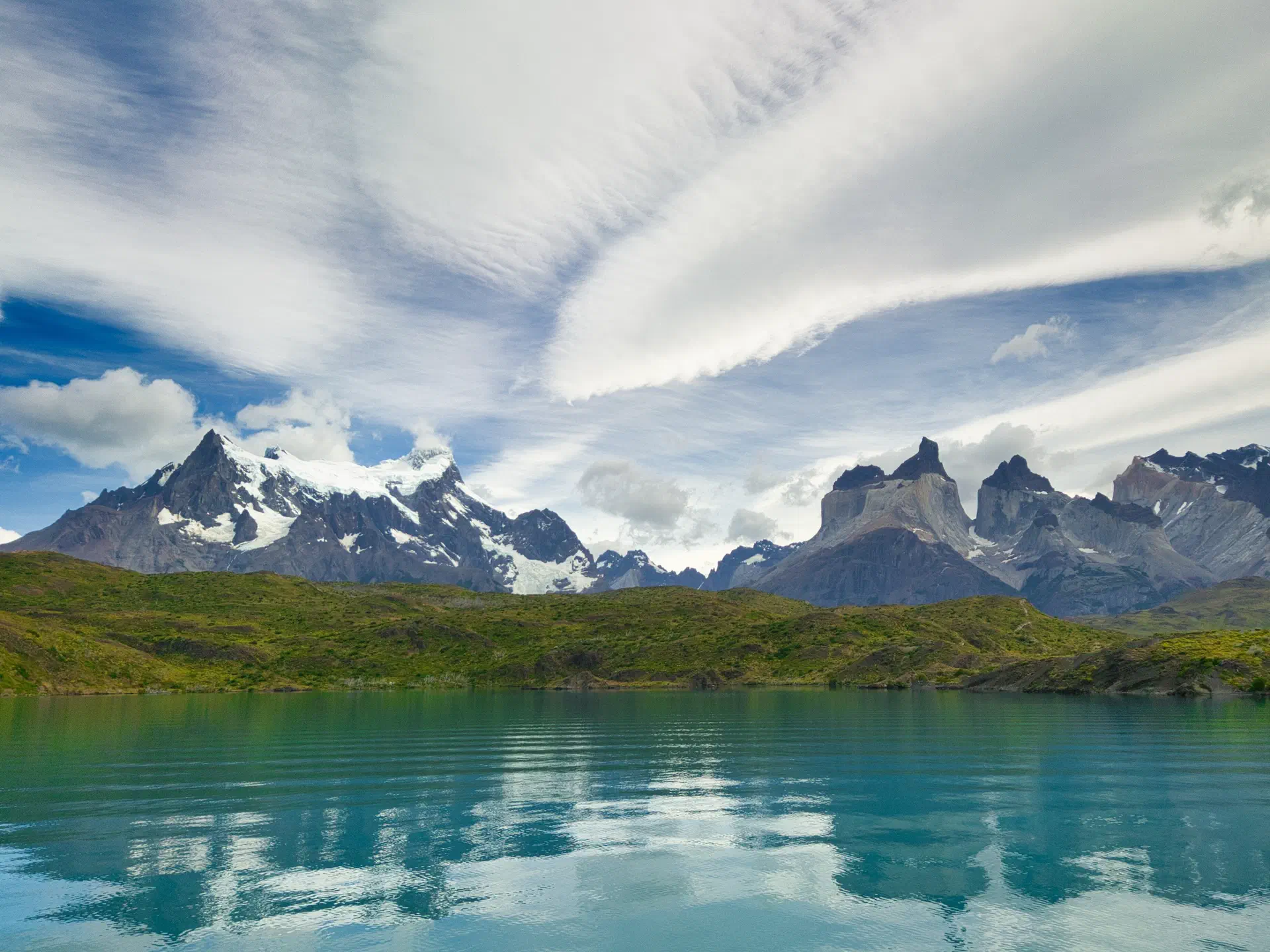
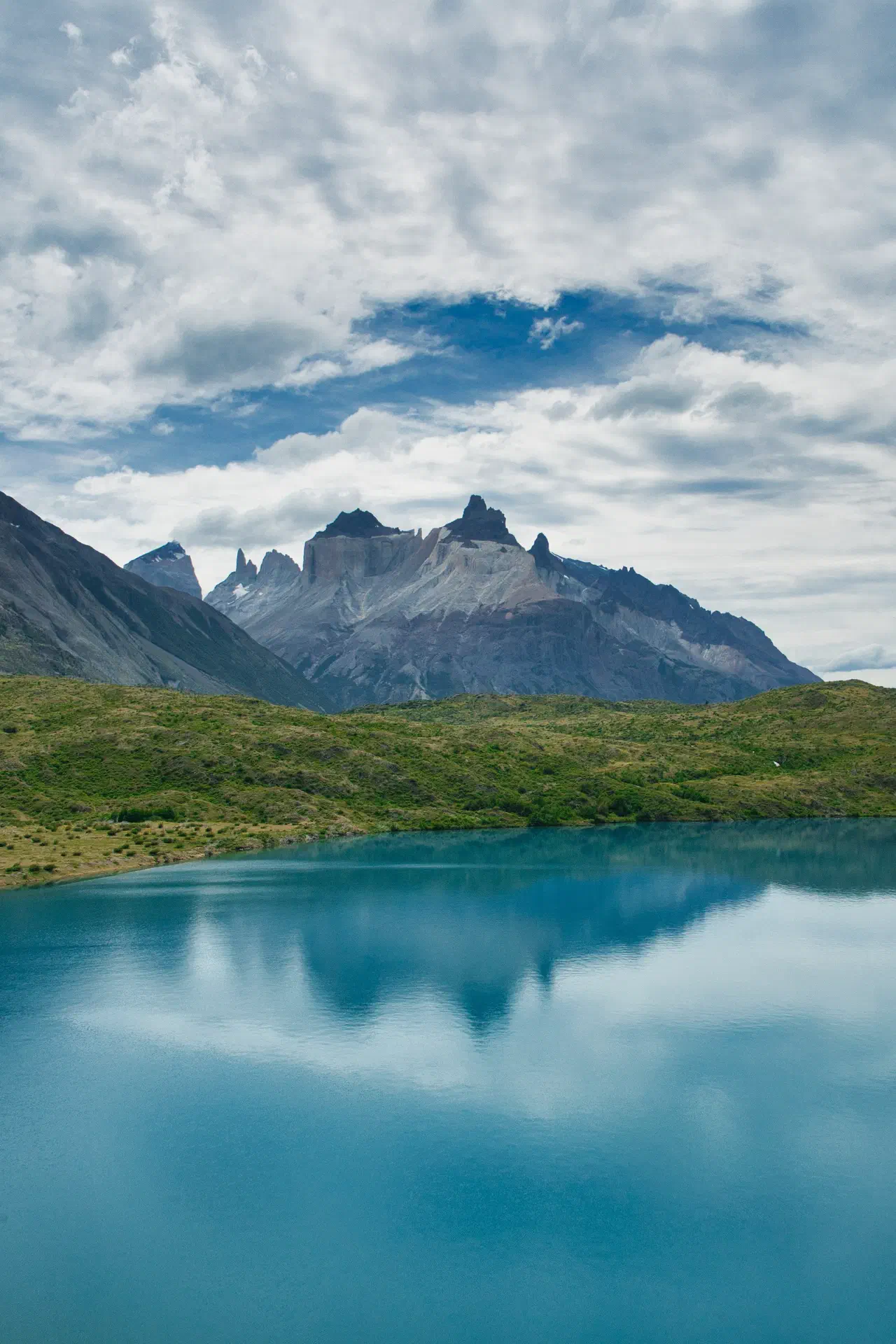
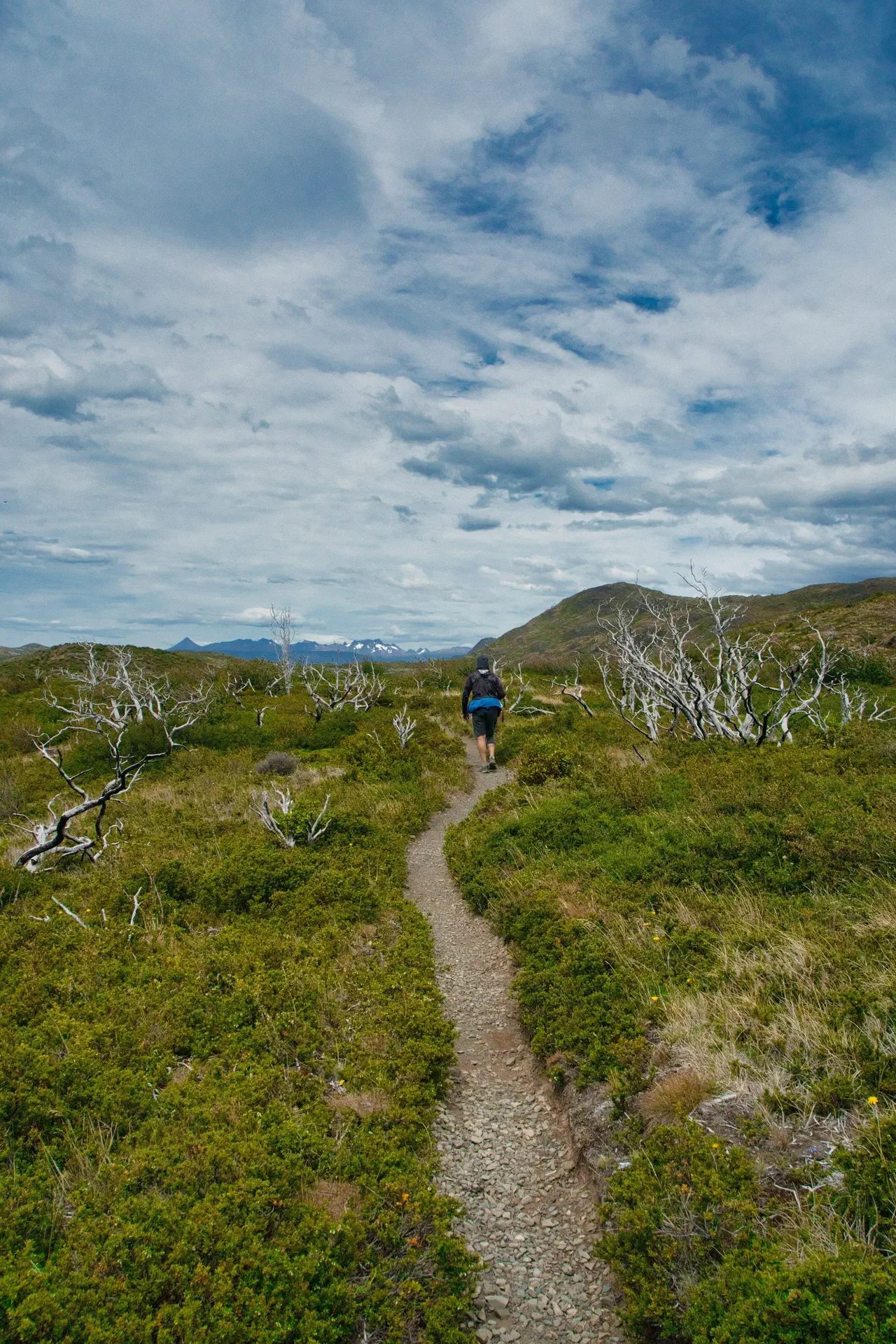
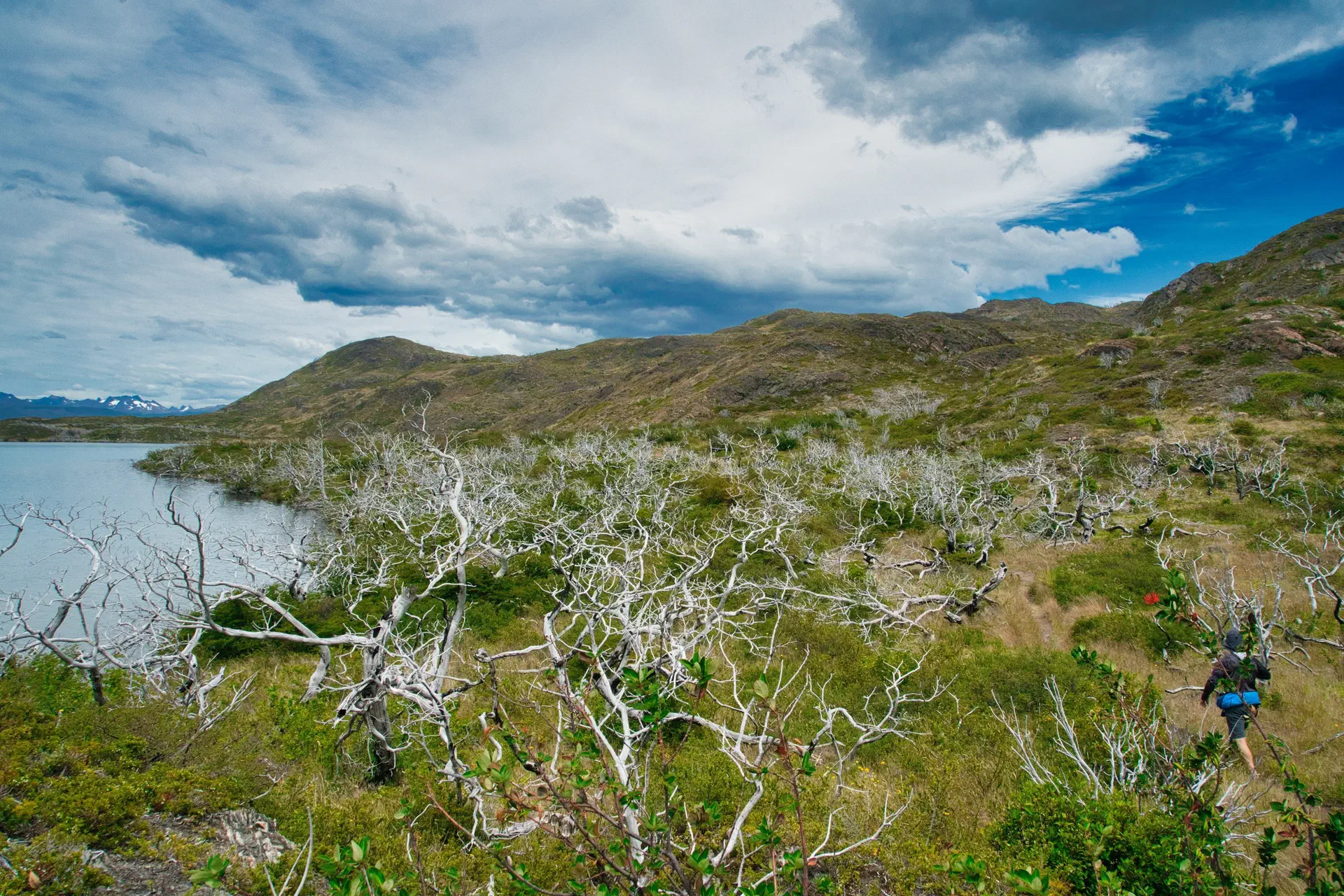
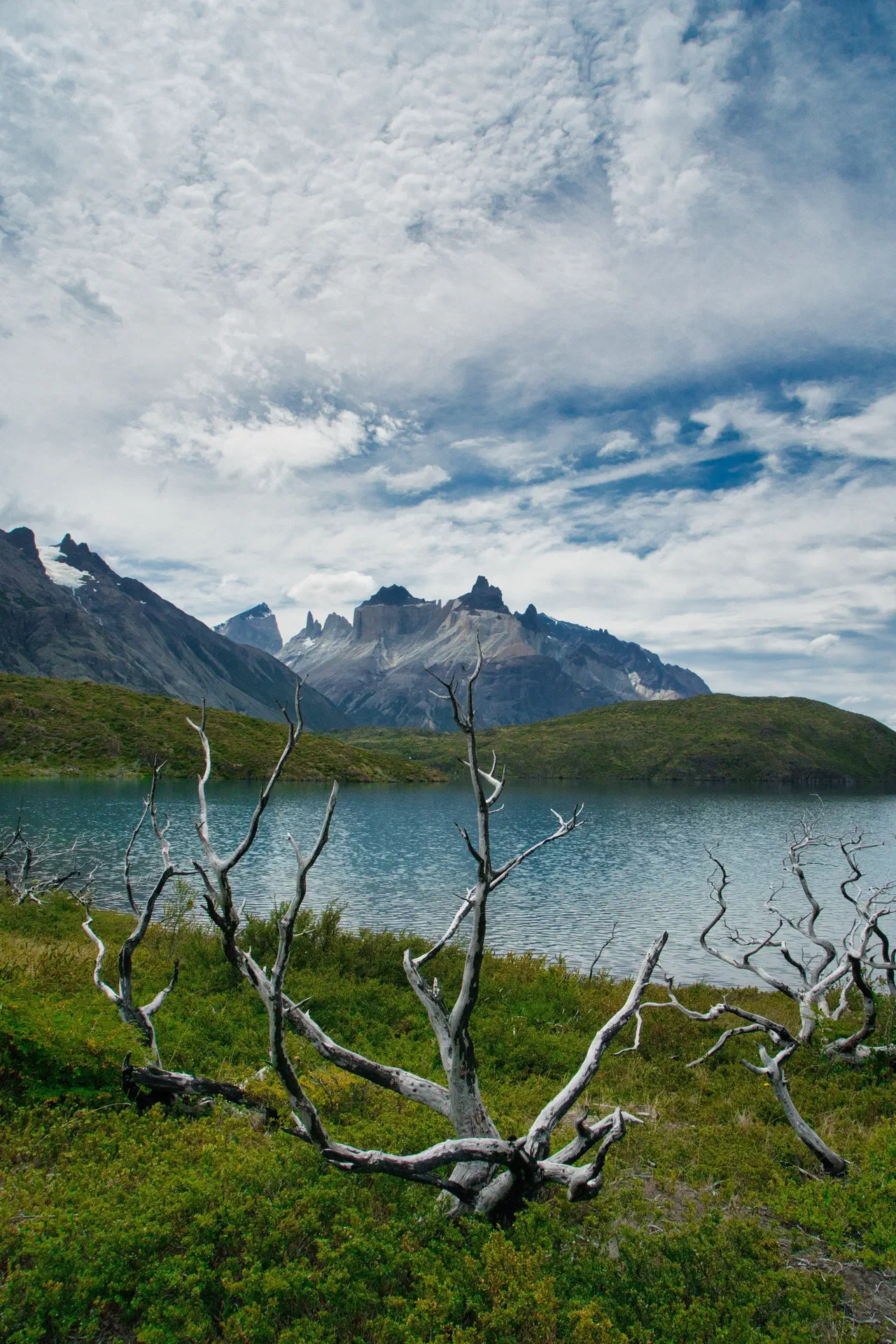
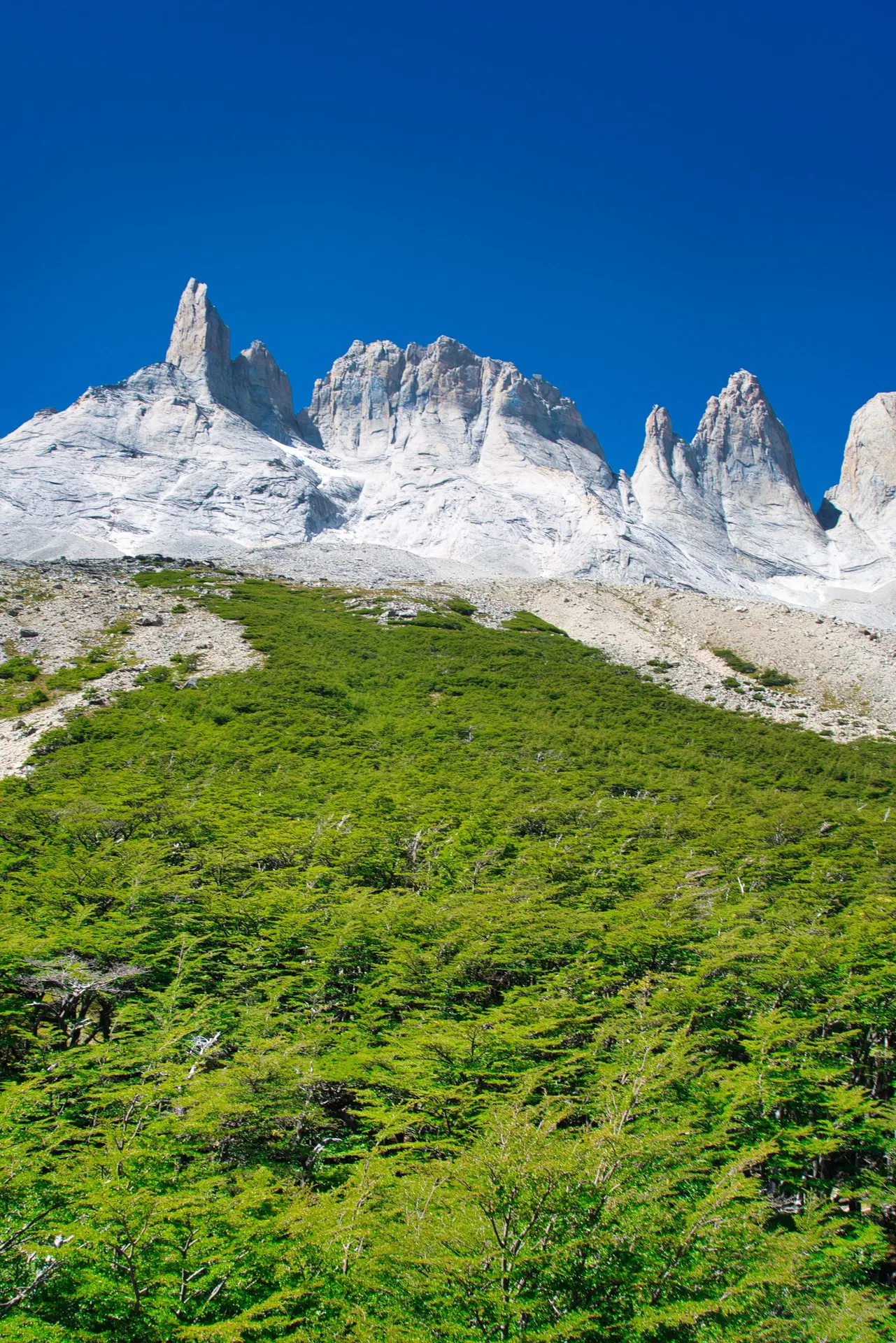
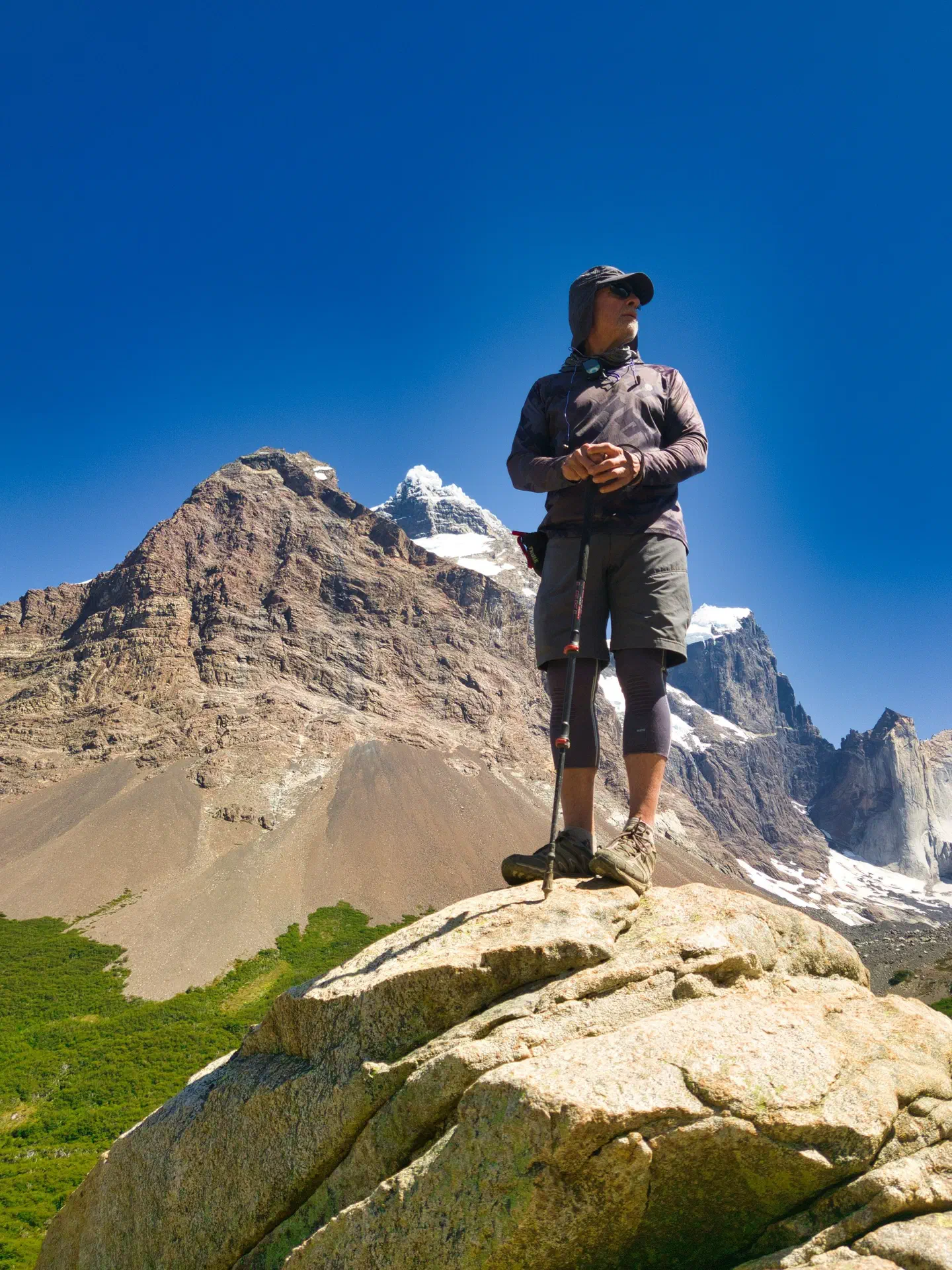
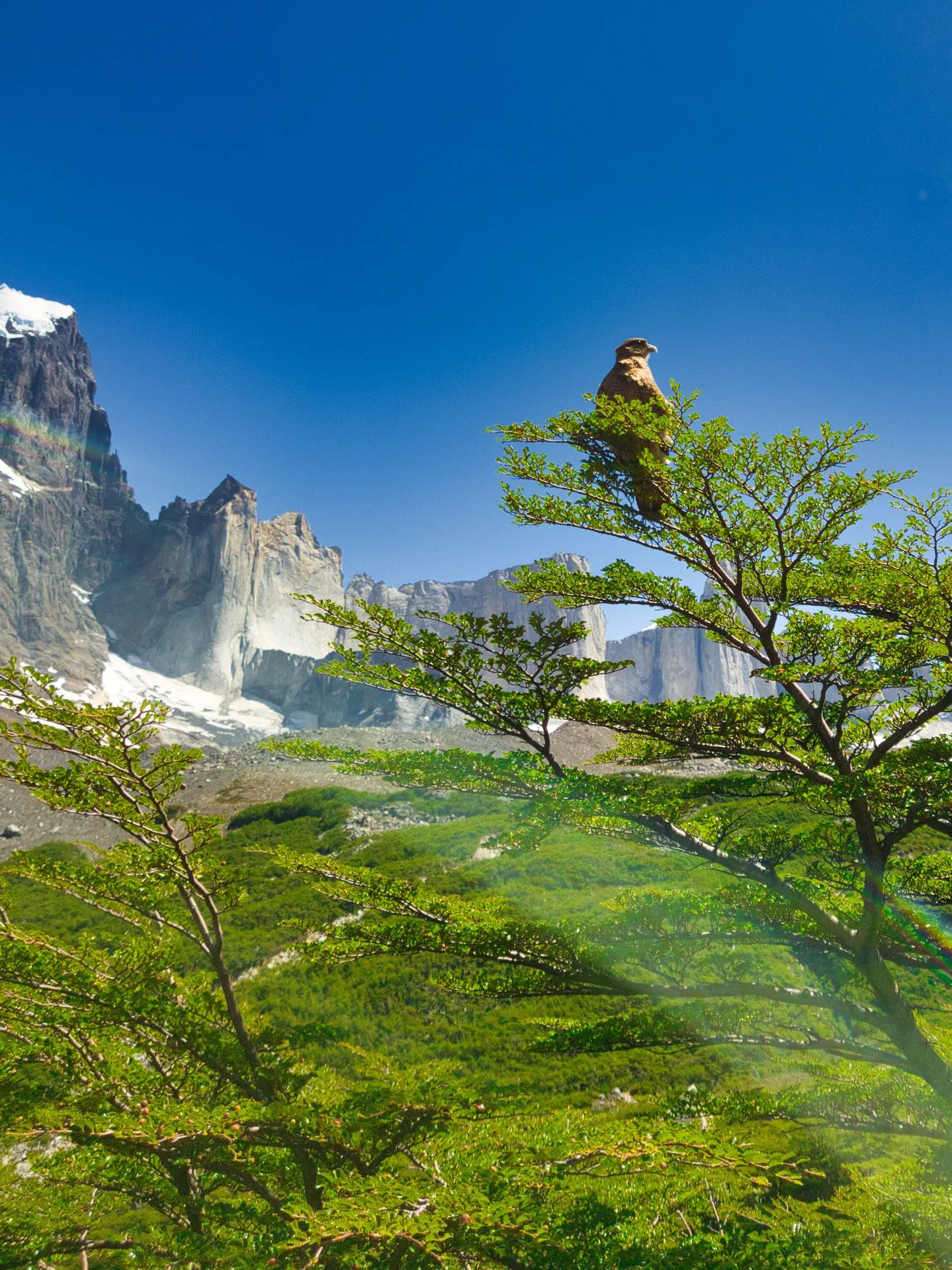
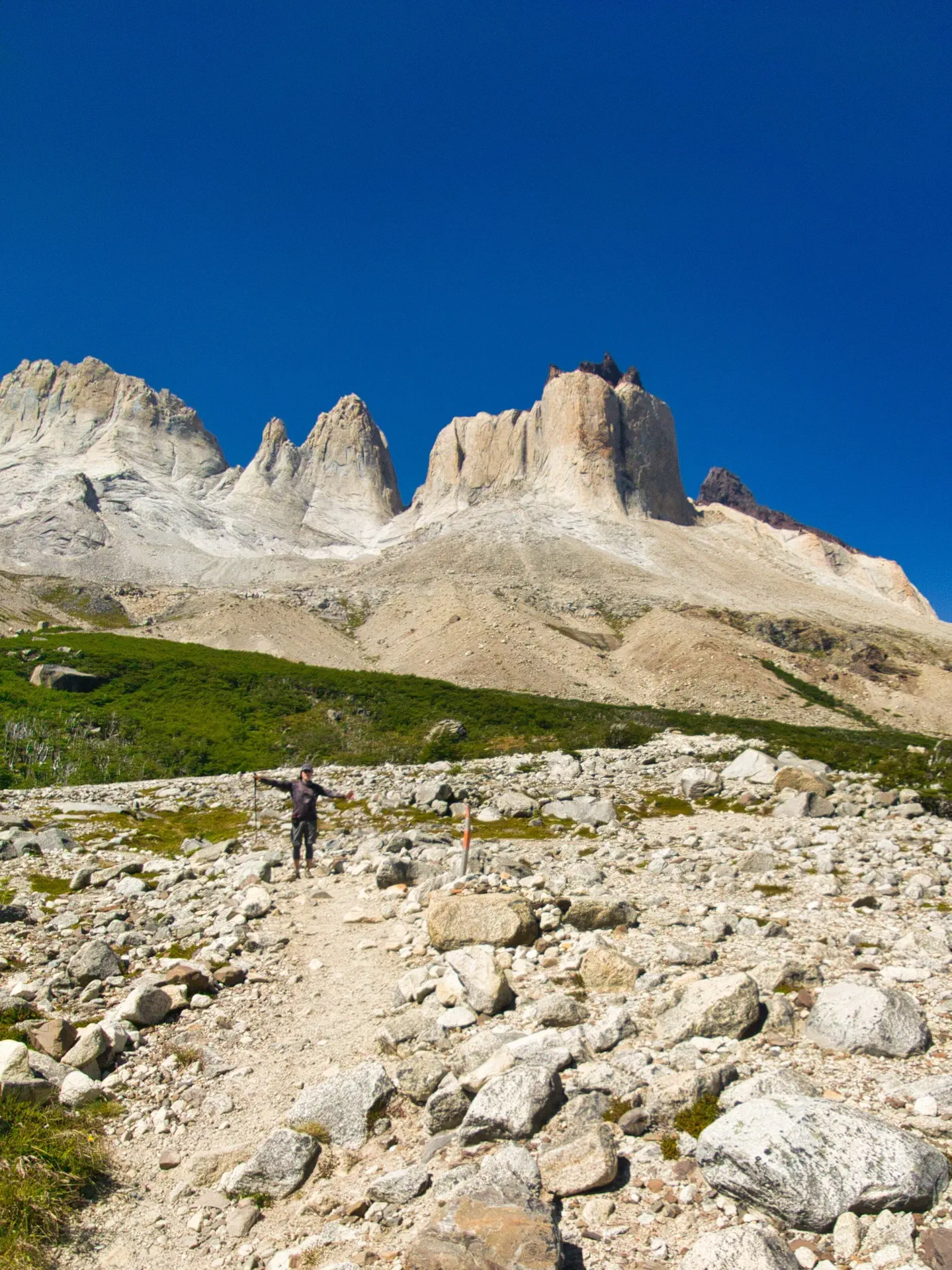
Enough about the details, on to some photos (which everyone loves…)
Remember that you can click on the images to make them larger…
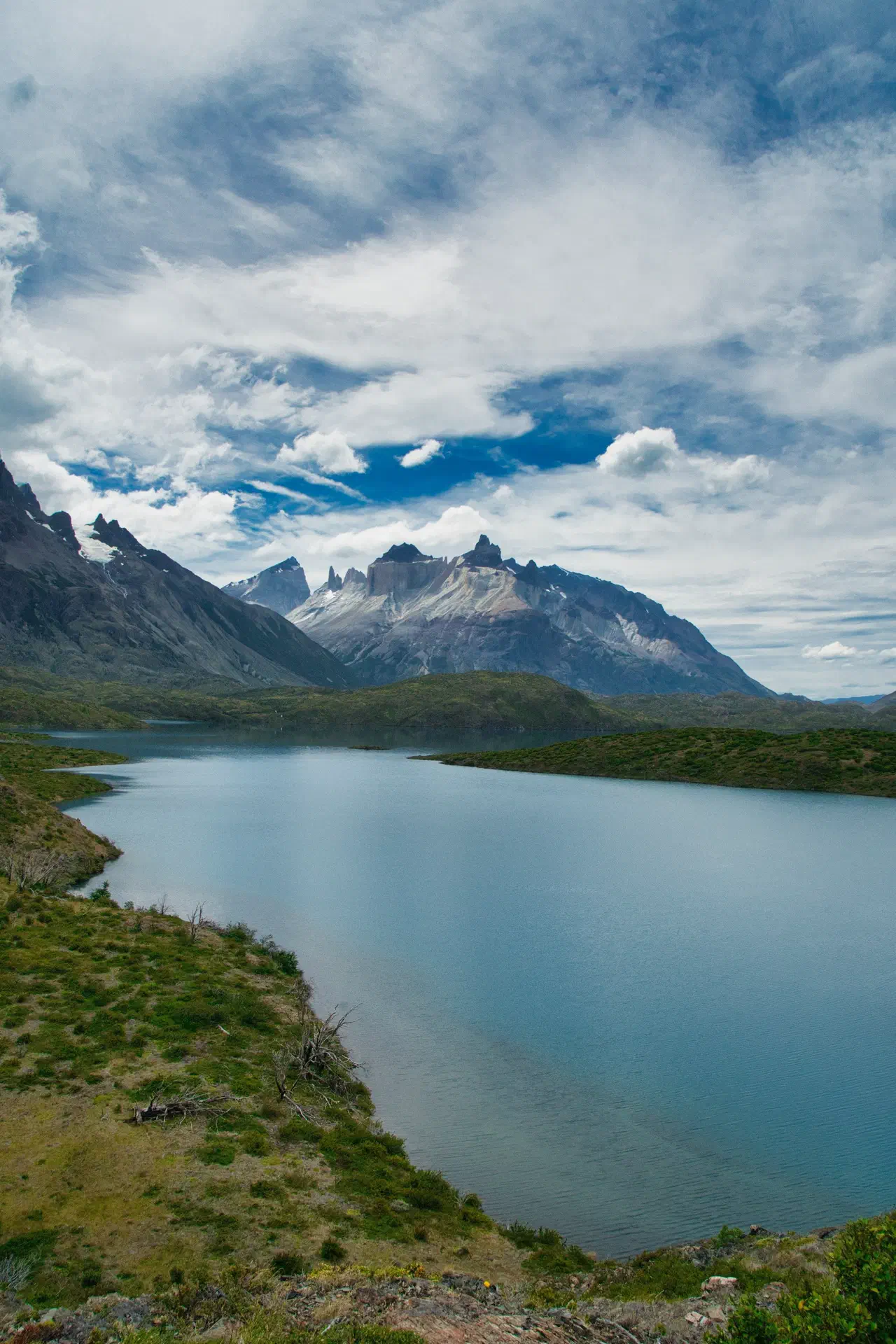
Day 2 - Mirador Gray
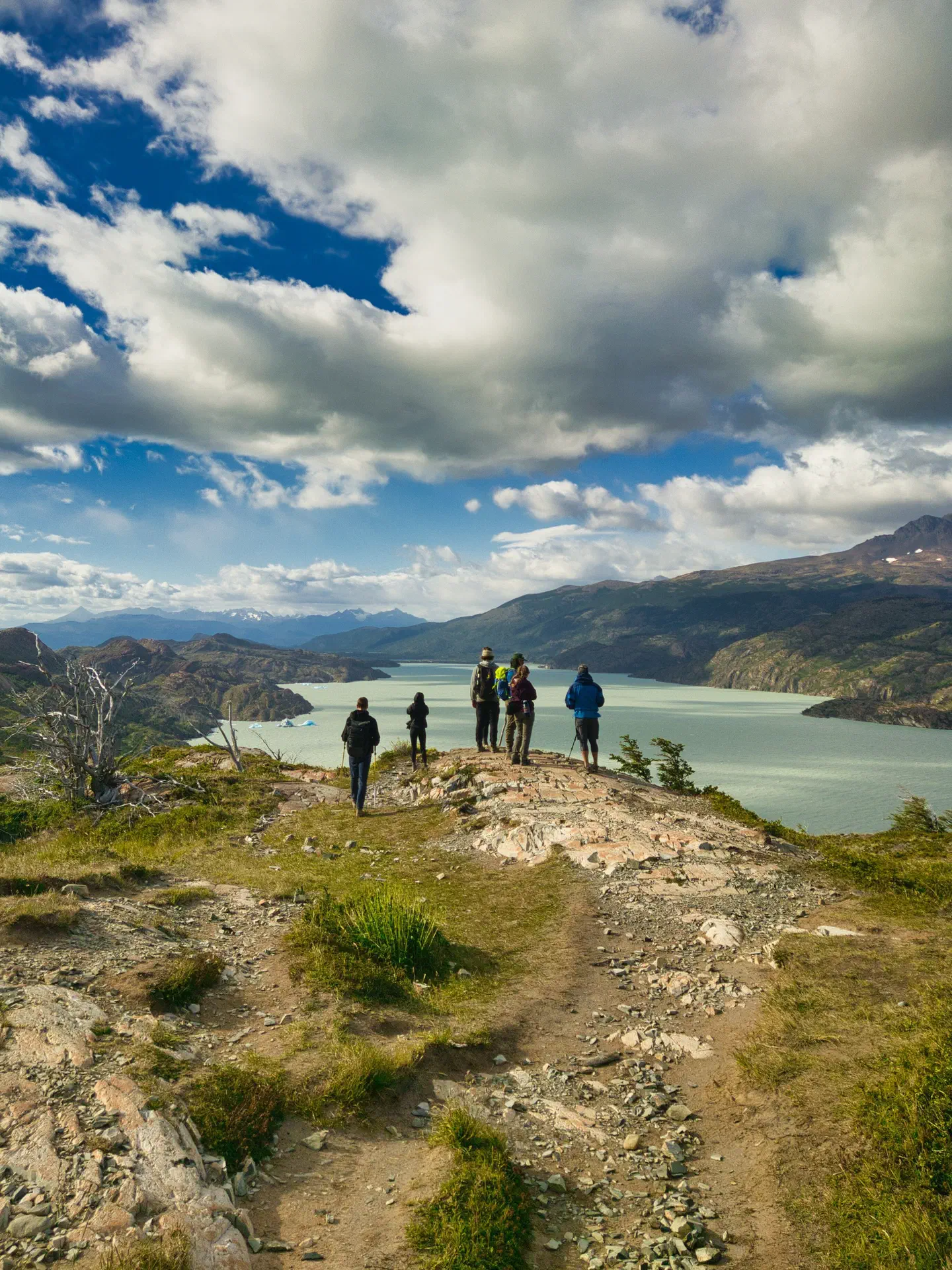
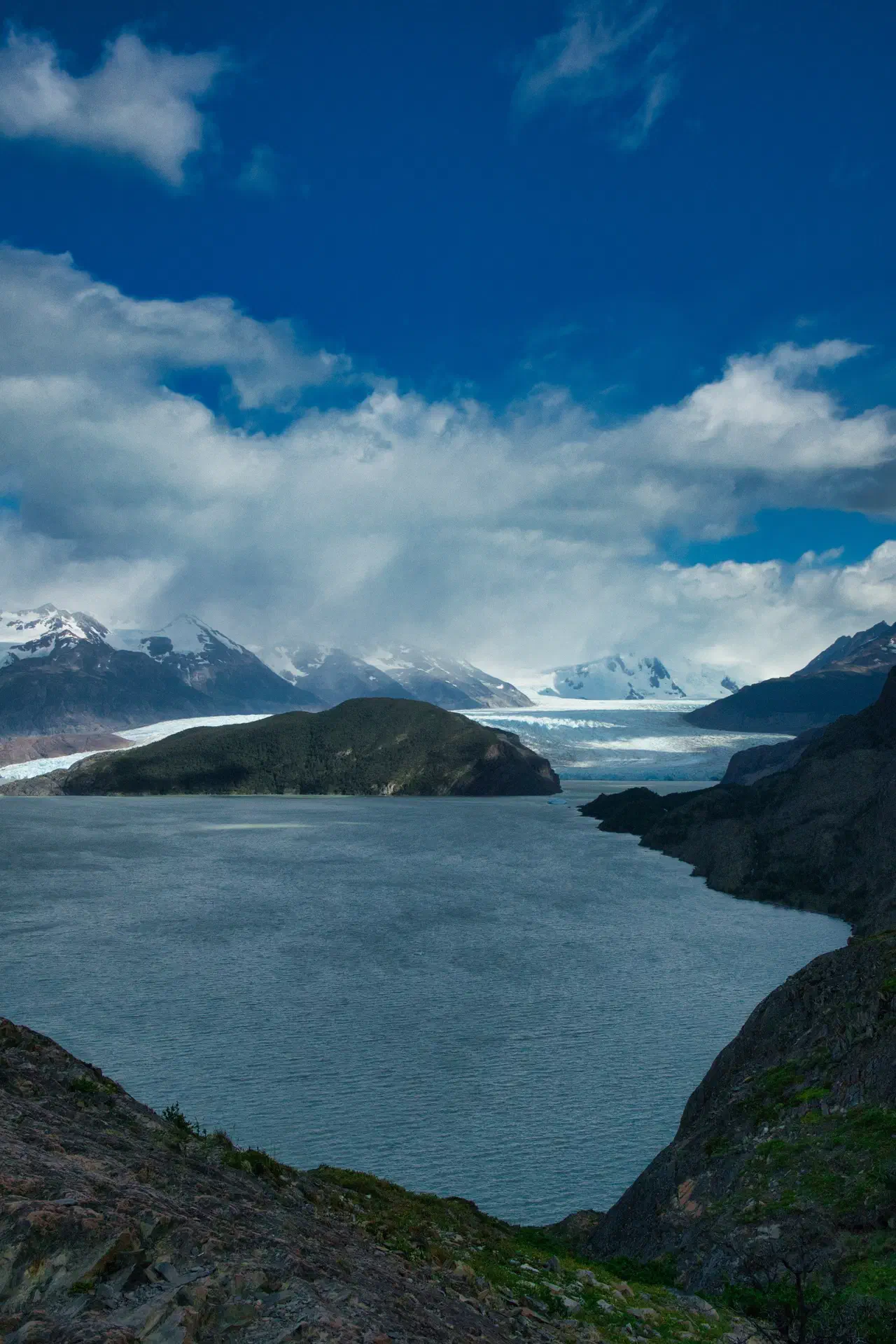
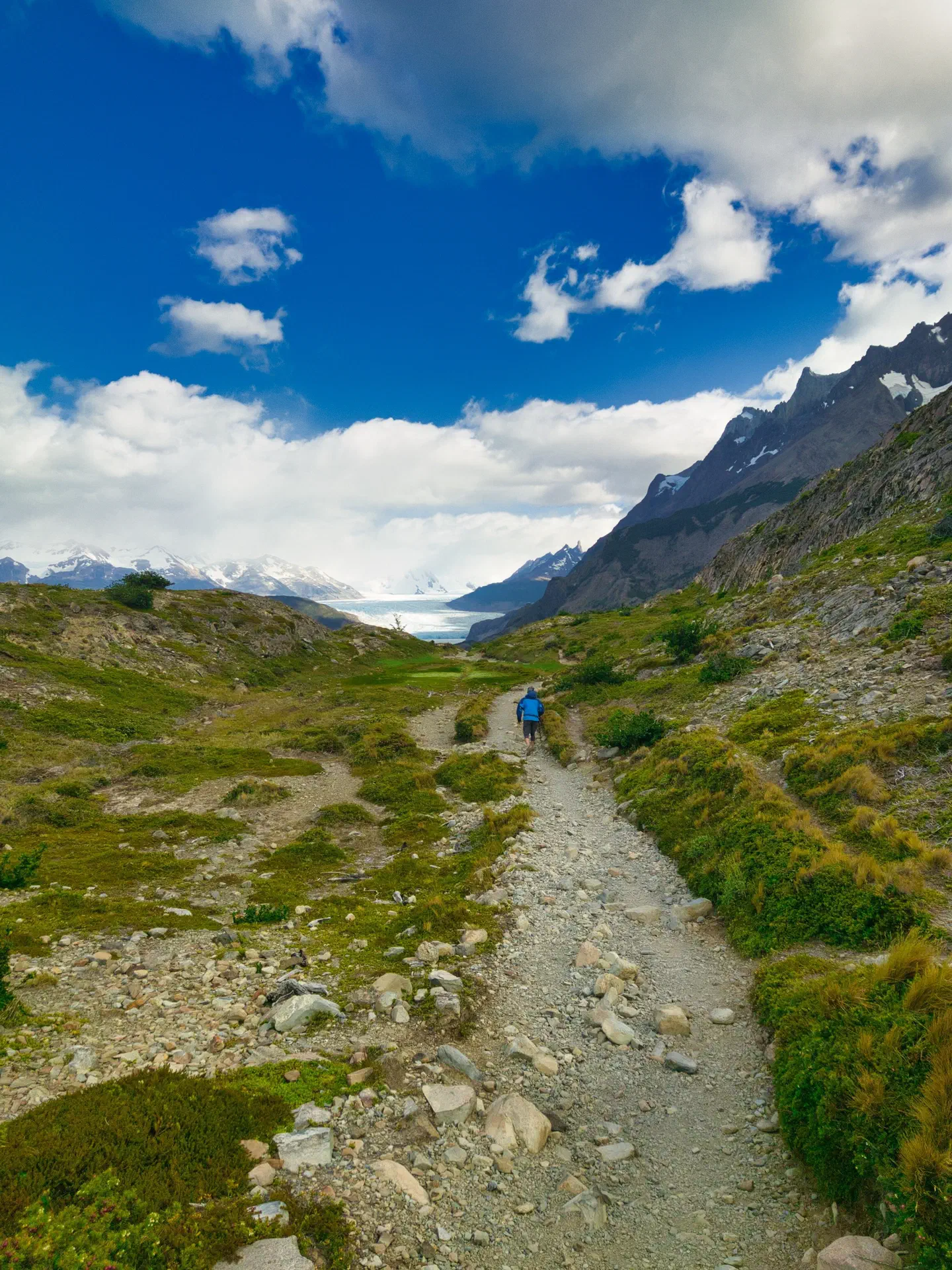
Day 3 - Mirador
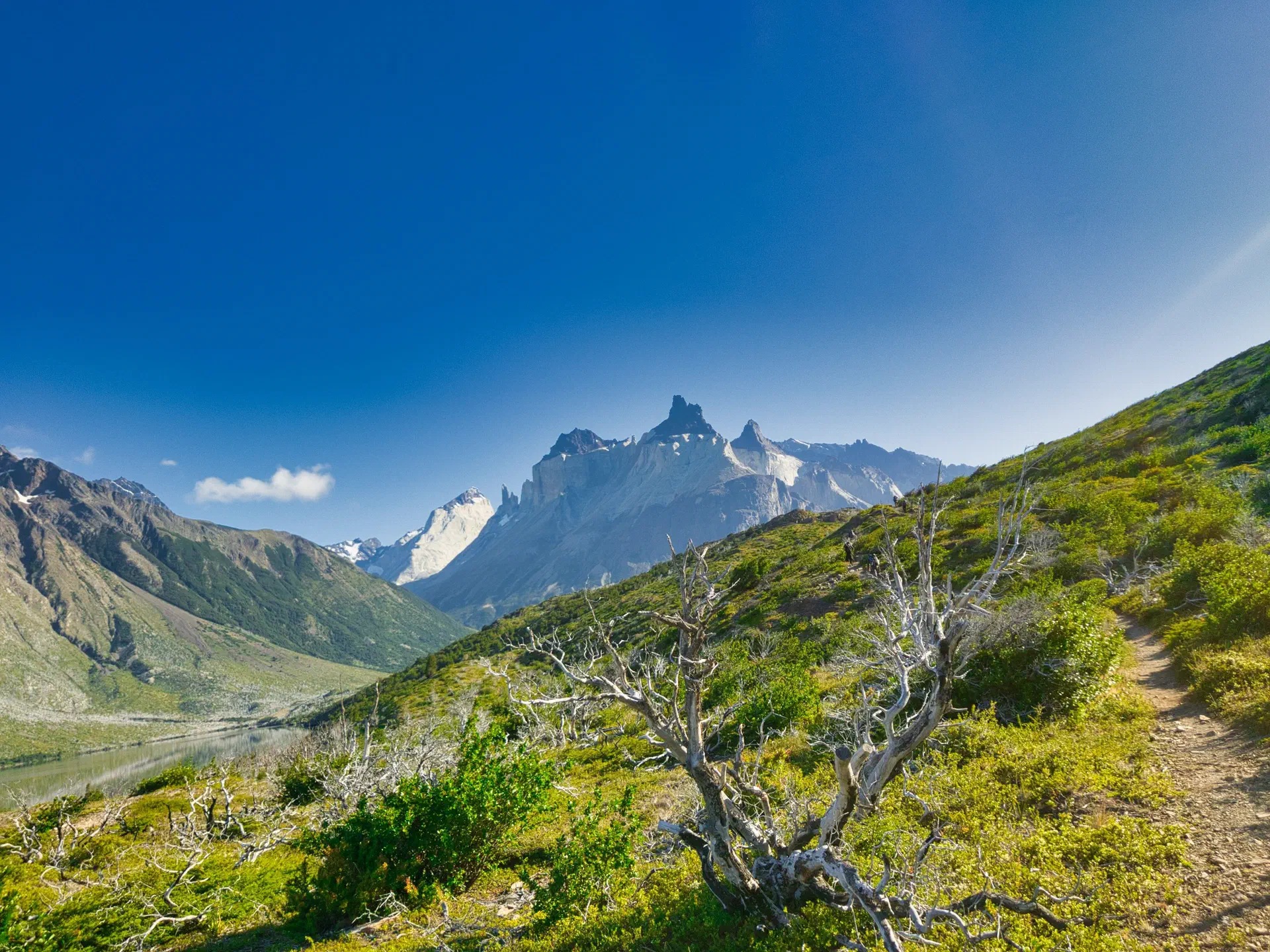
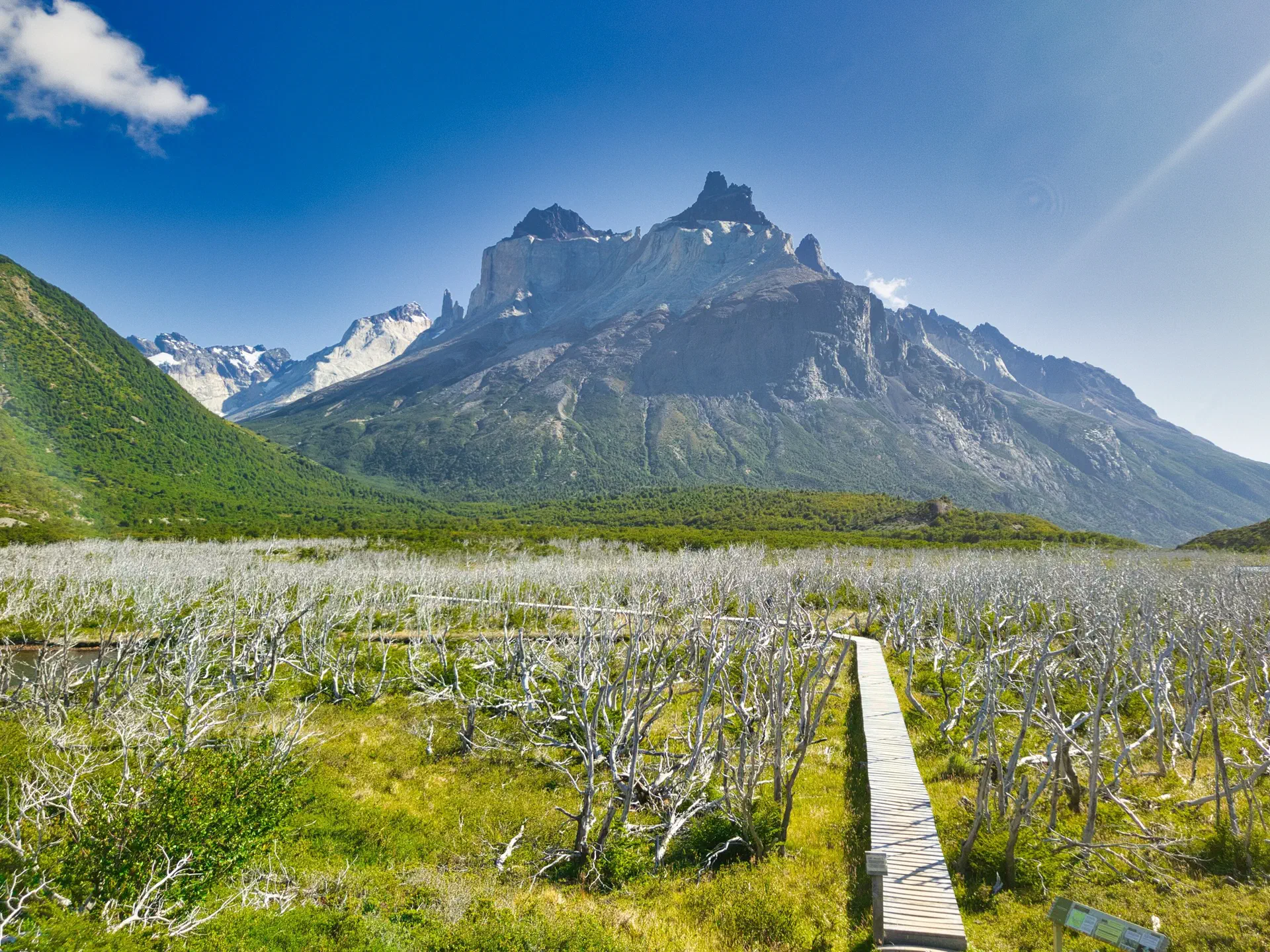
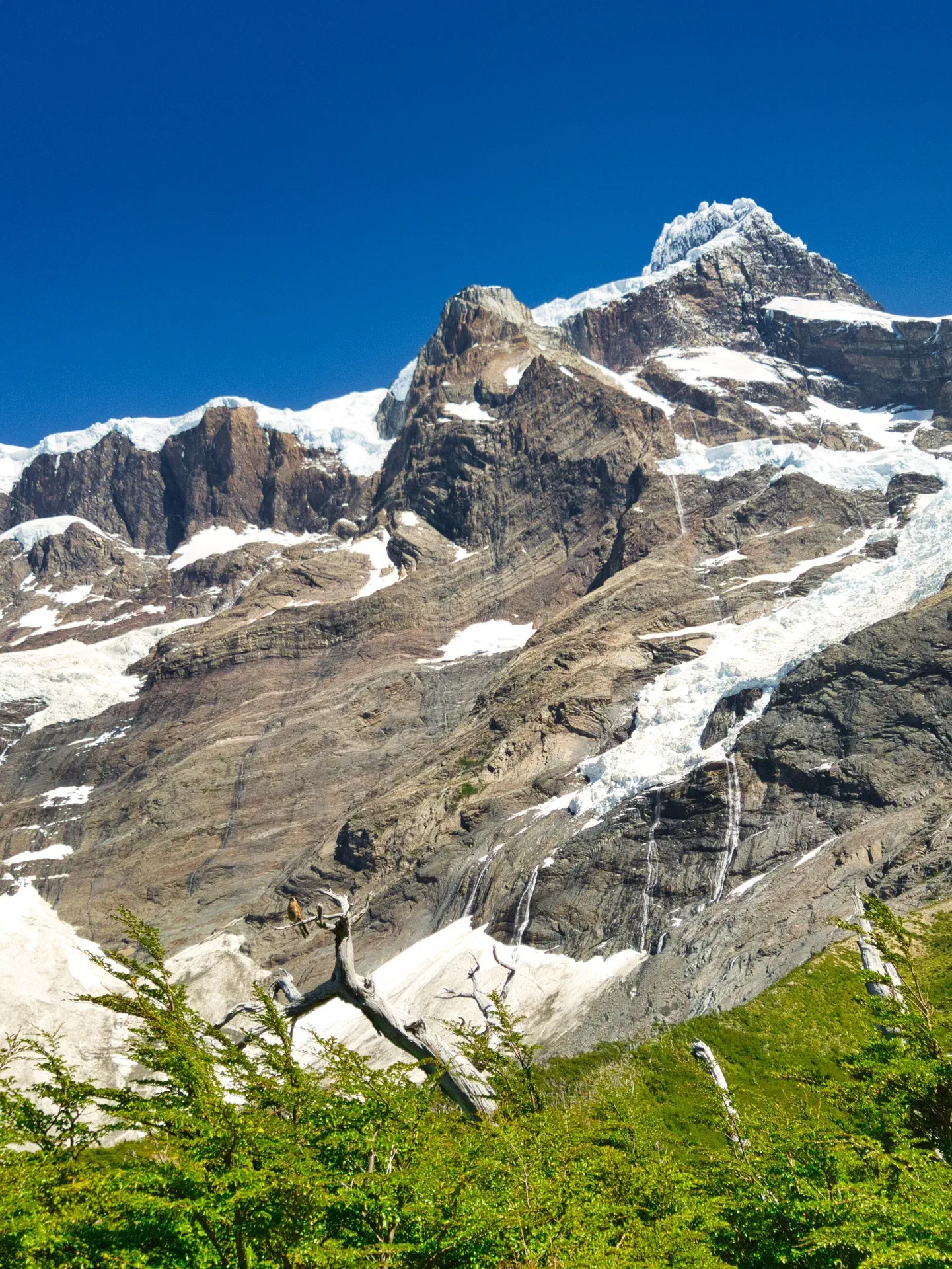
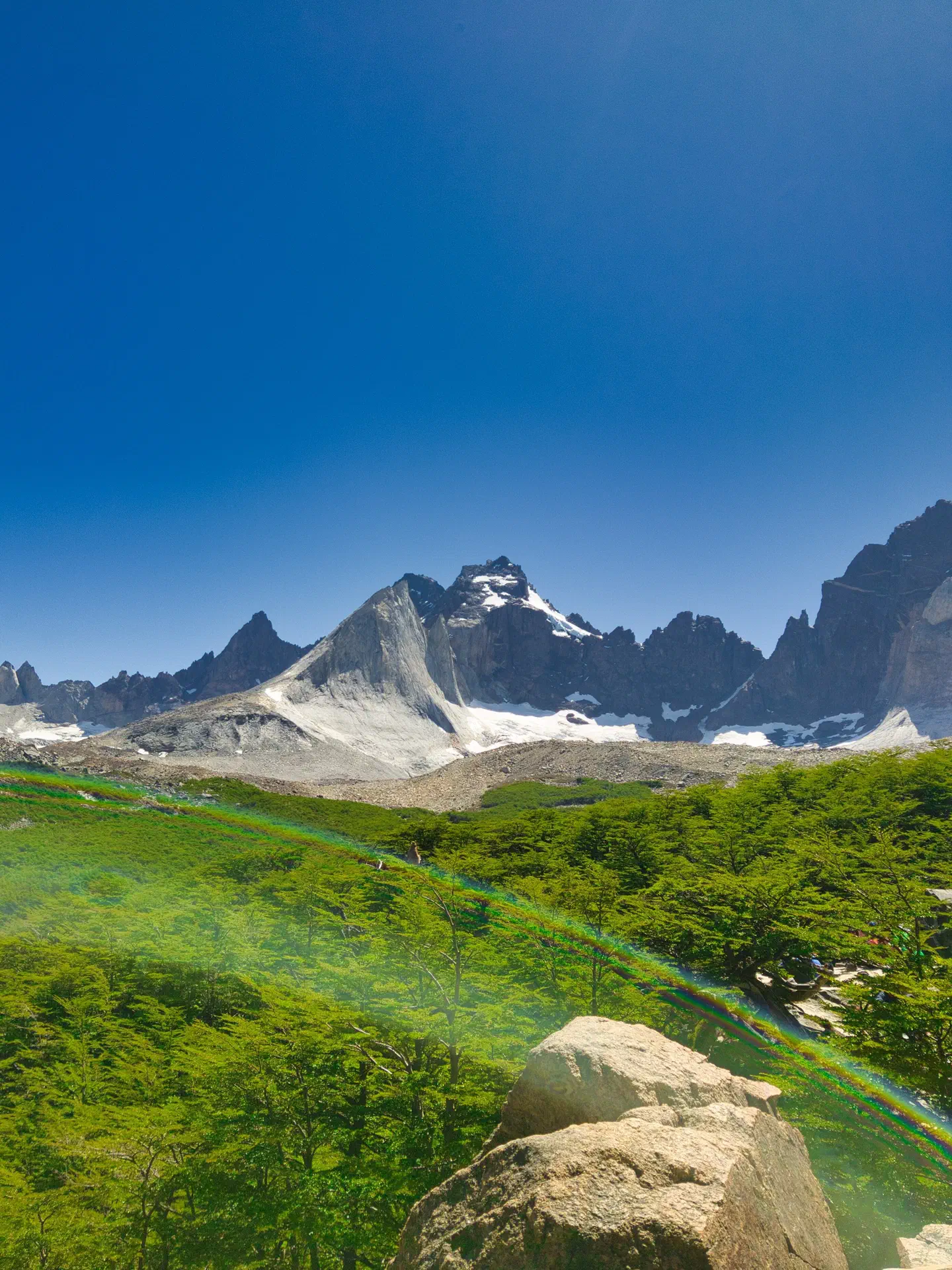
Day 4 - Refugio
Day 5 - Mirador Base
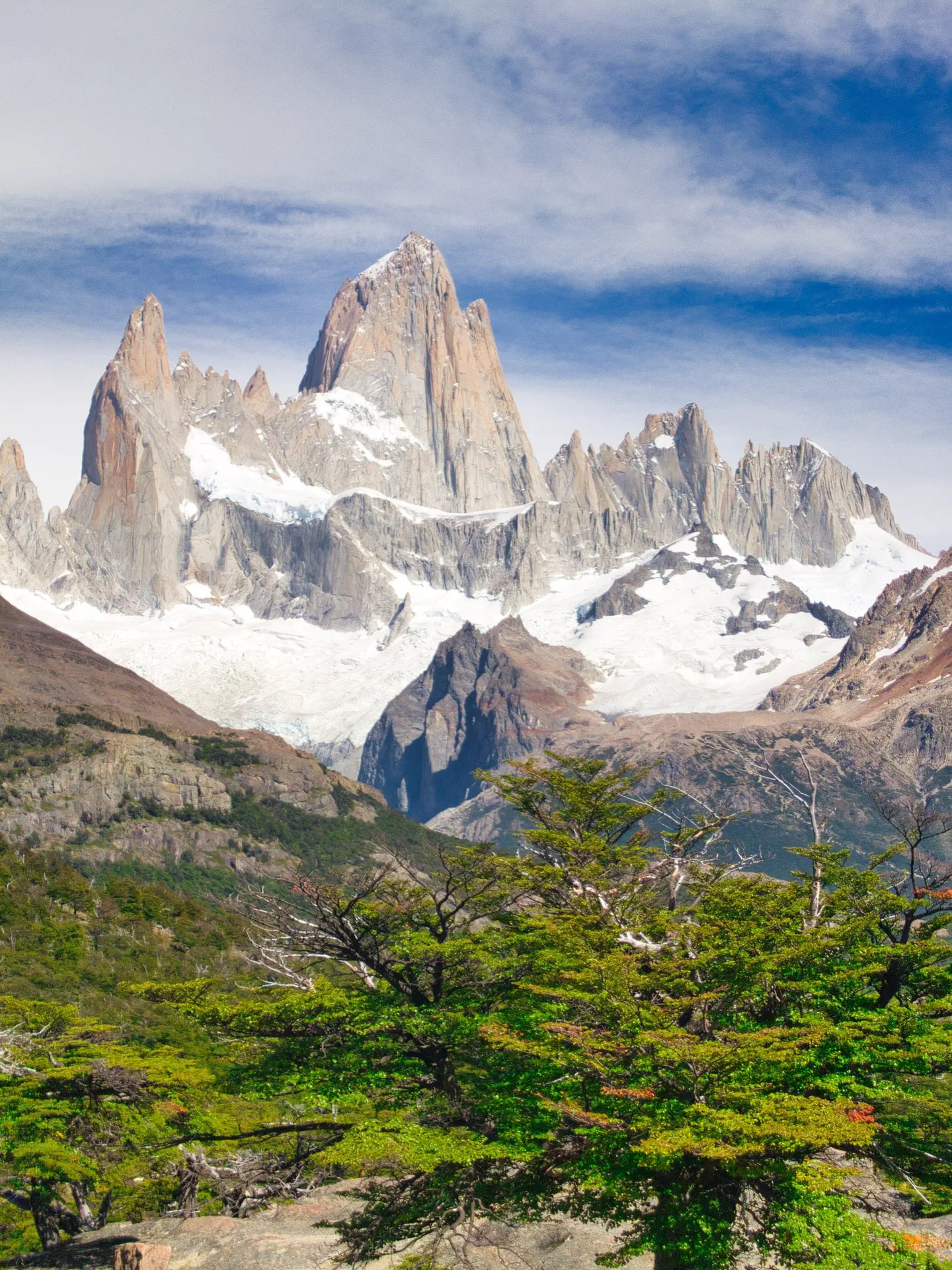
Ritz Roy Peak and el
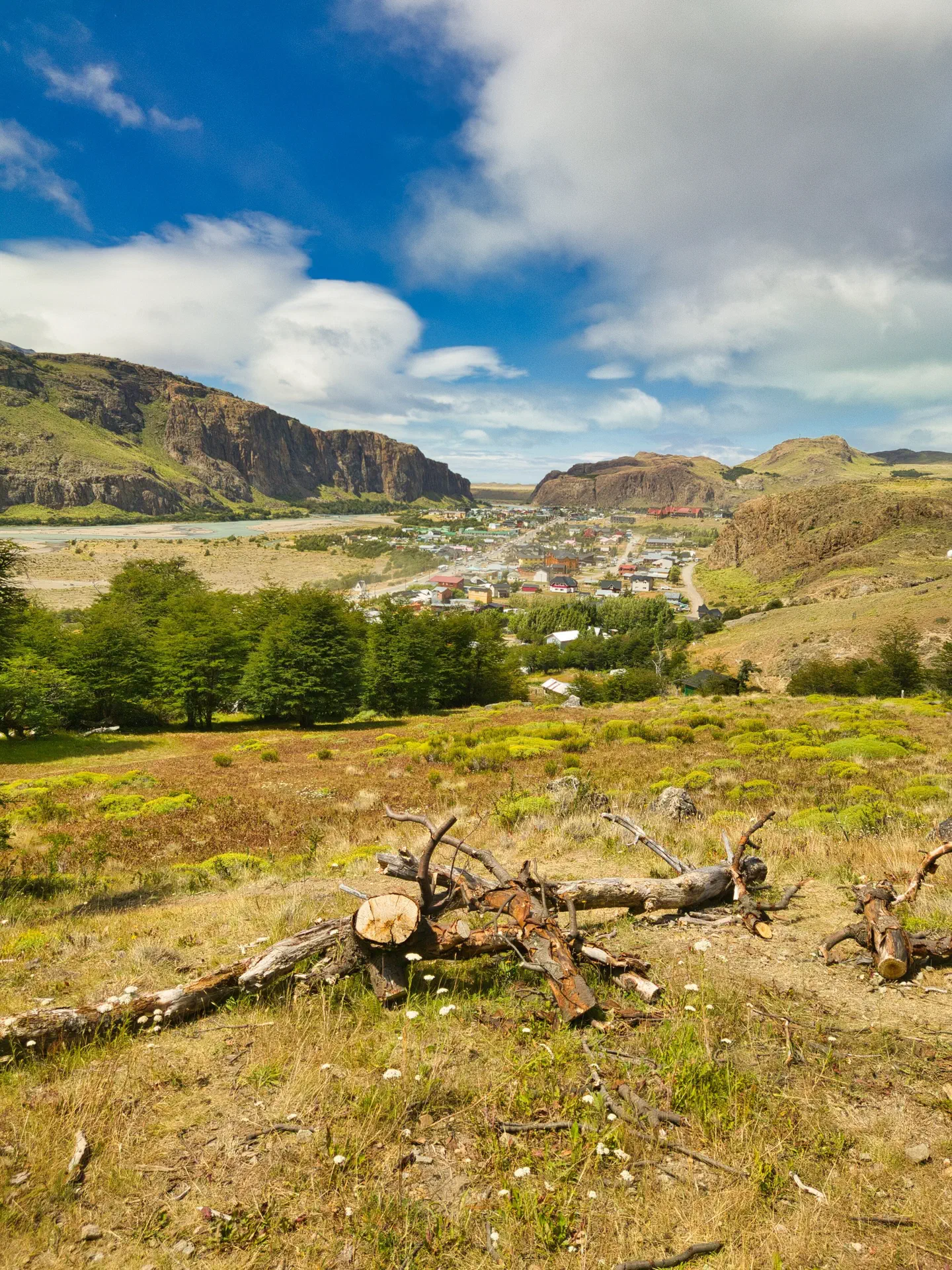
The next and final part of the hiking trip was to cross the Chile / Argentina border and end up in el Chalten. A place primarily known for its hiking. Its a fairly small place nestled in the mountains of the Ritz Roy peaks. The views of the drive in and out are spectacular! Since it was a long drive, we stayed the night in a small town (think a mini Boca Raton) called el Calafate - which is a name of a small edible berry. We saw some of these berries on the trail of our first day out, but didn’t find out that they were highly sought after and considered a super food until a few day later.
As we crossed the border, we ran into a pair of hikers that needed a ride. The road they were dropped off on was sparely traveled (as is most of the roads in the Patagonia area). We dropped them off in el Calafate.
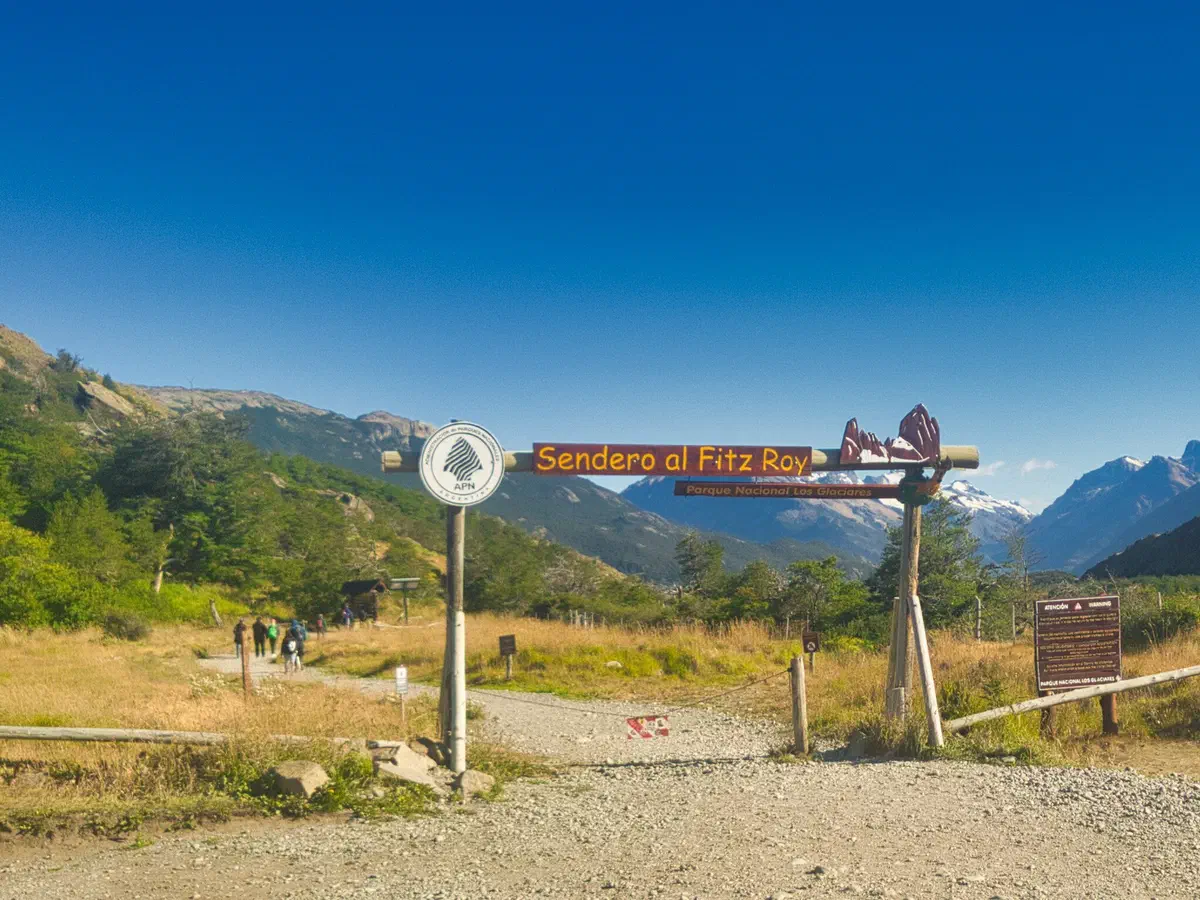
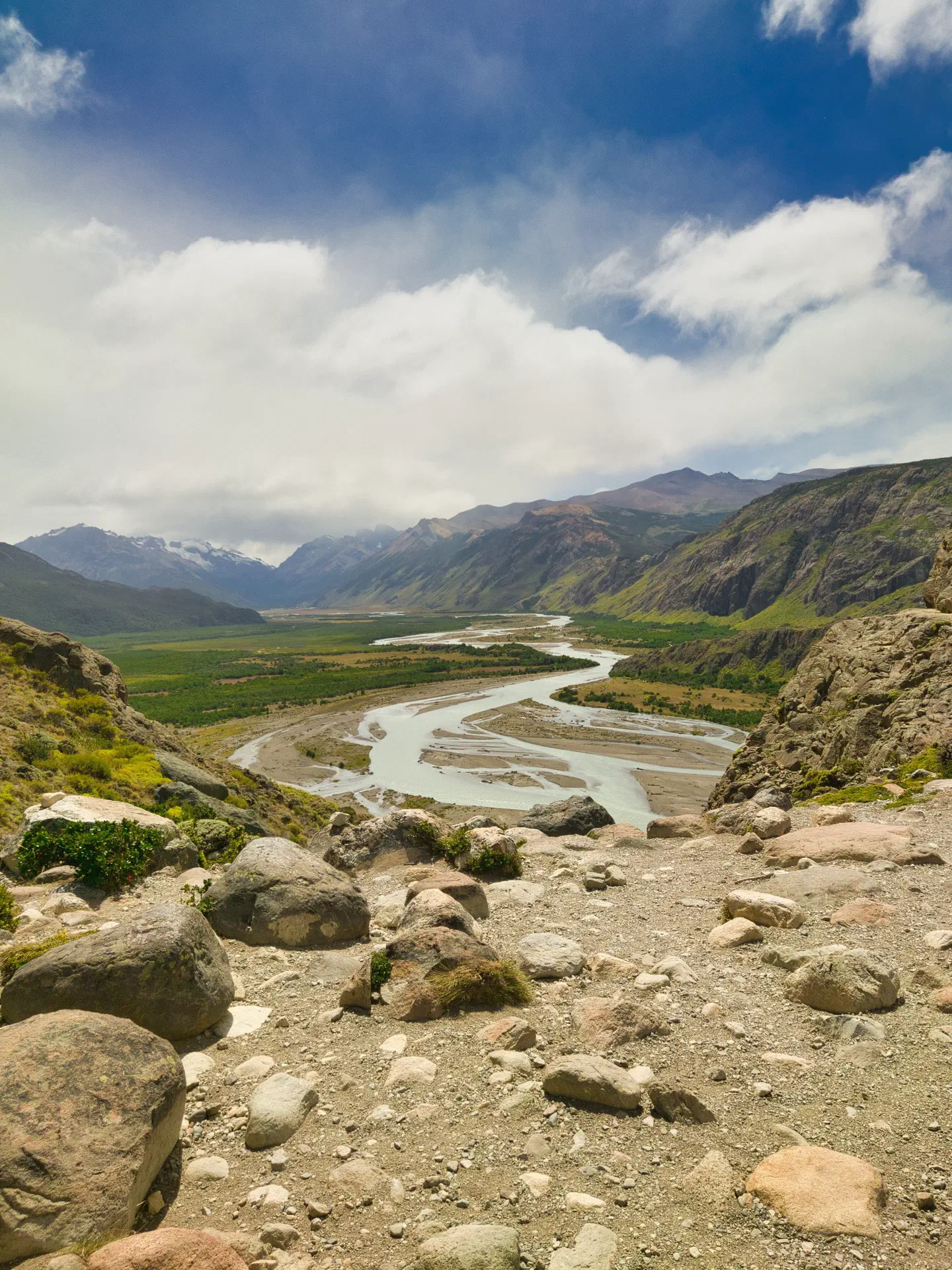
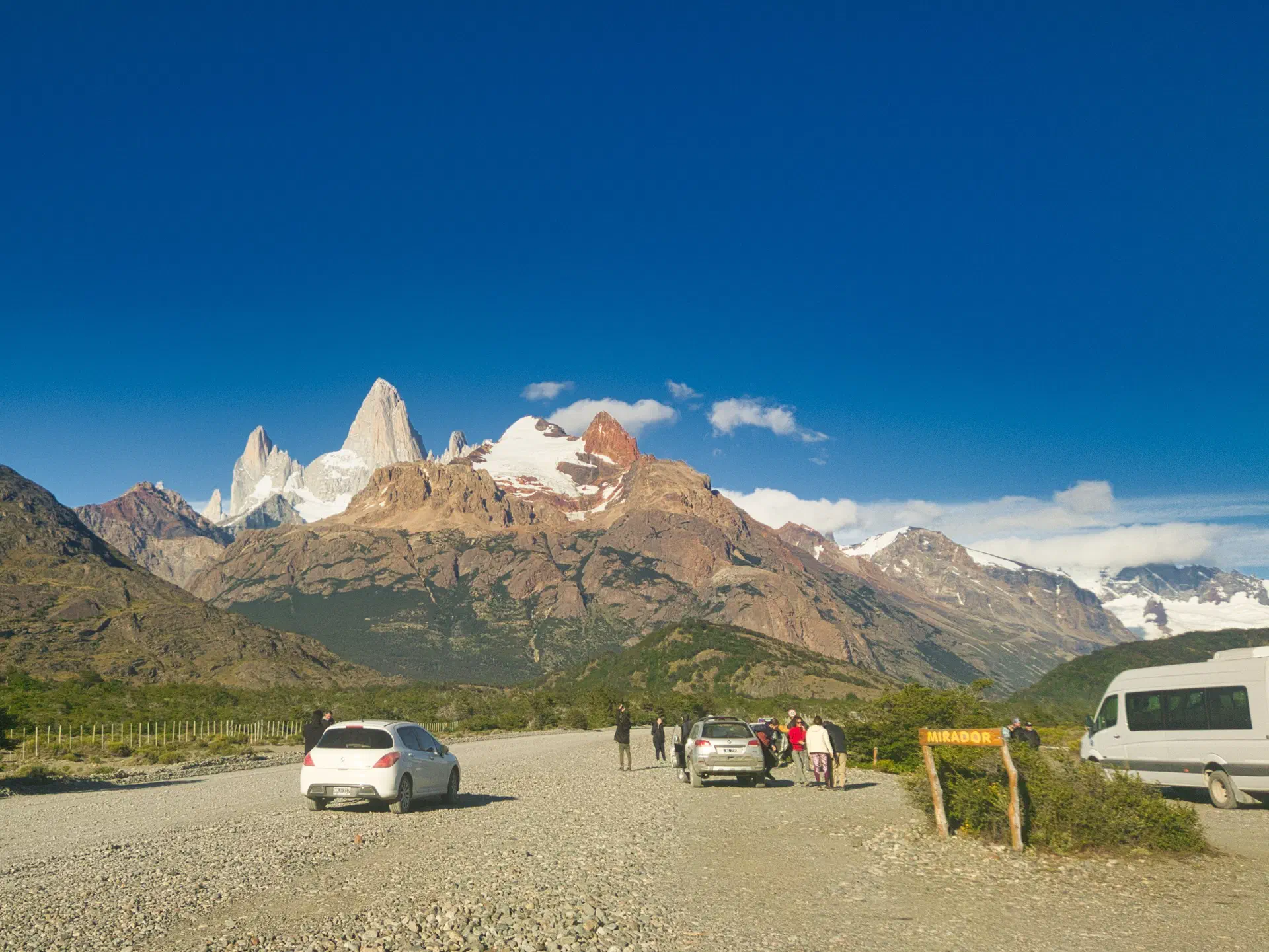
We spent two days doing small day hikes out of the town of el Chalten. Most people hike straight out of the town, but there is a small parking lot at the end of town (see photo above). There is also a dirt road to the right of the parking lot that will take you up a few miles along the river to get some spectacular views, and gets you slightly further on the trails to the peaks. There is some dirt road parking along the way.
Now onto photos!
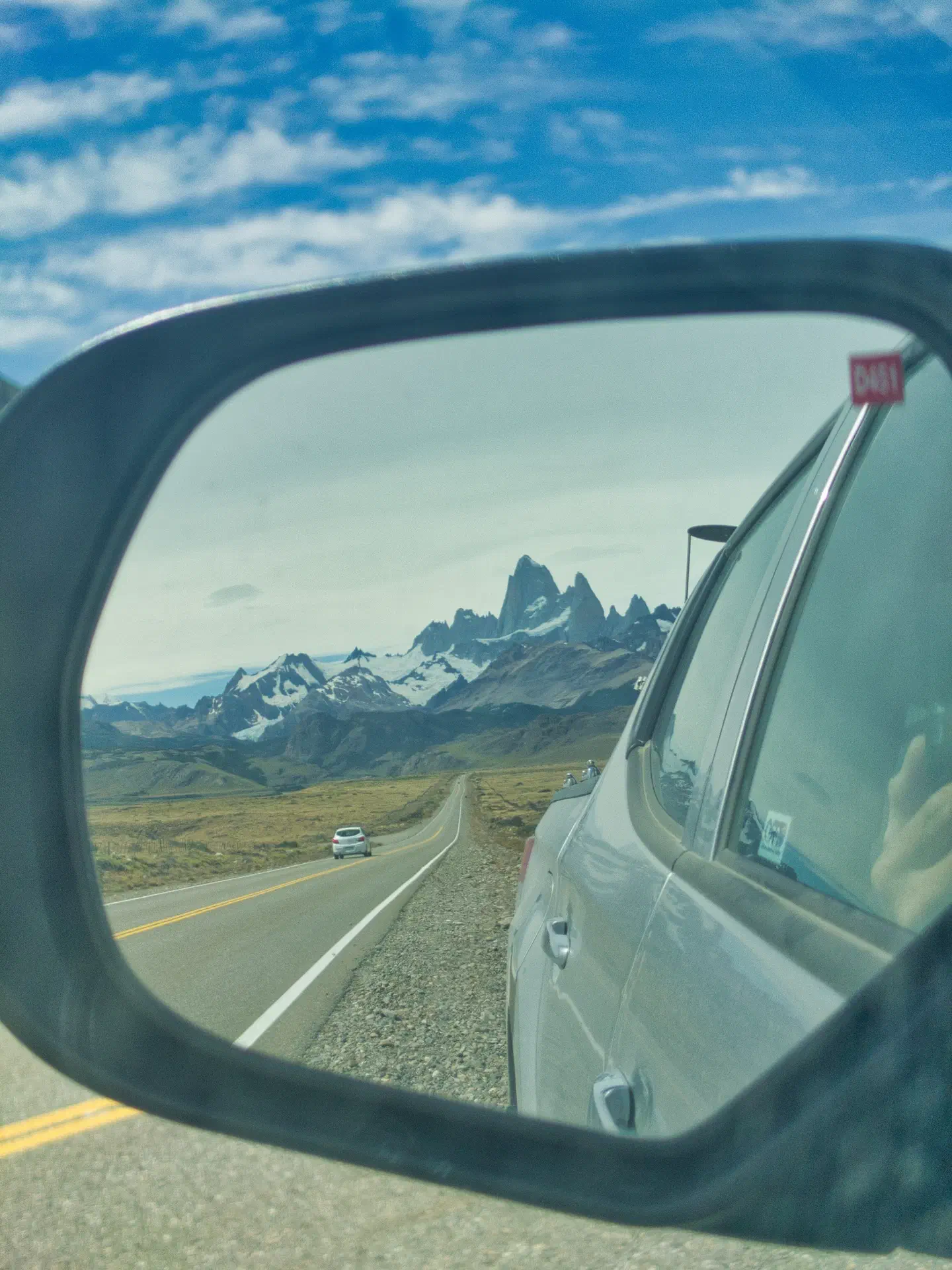
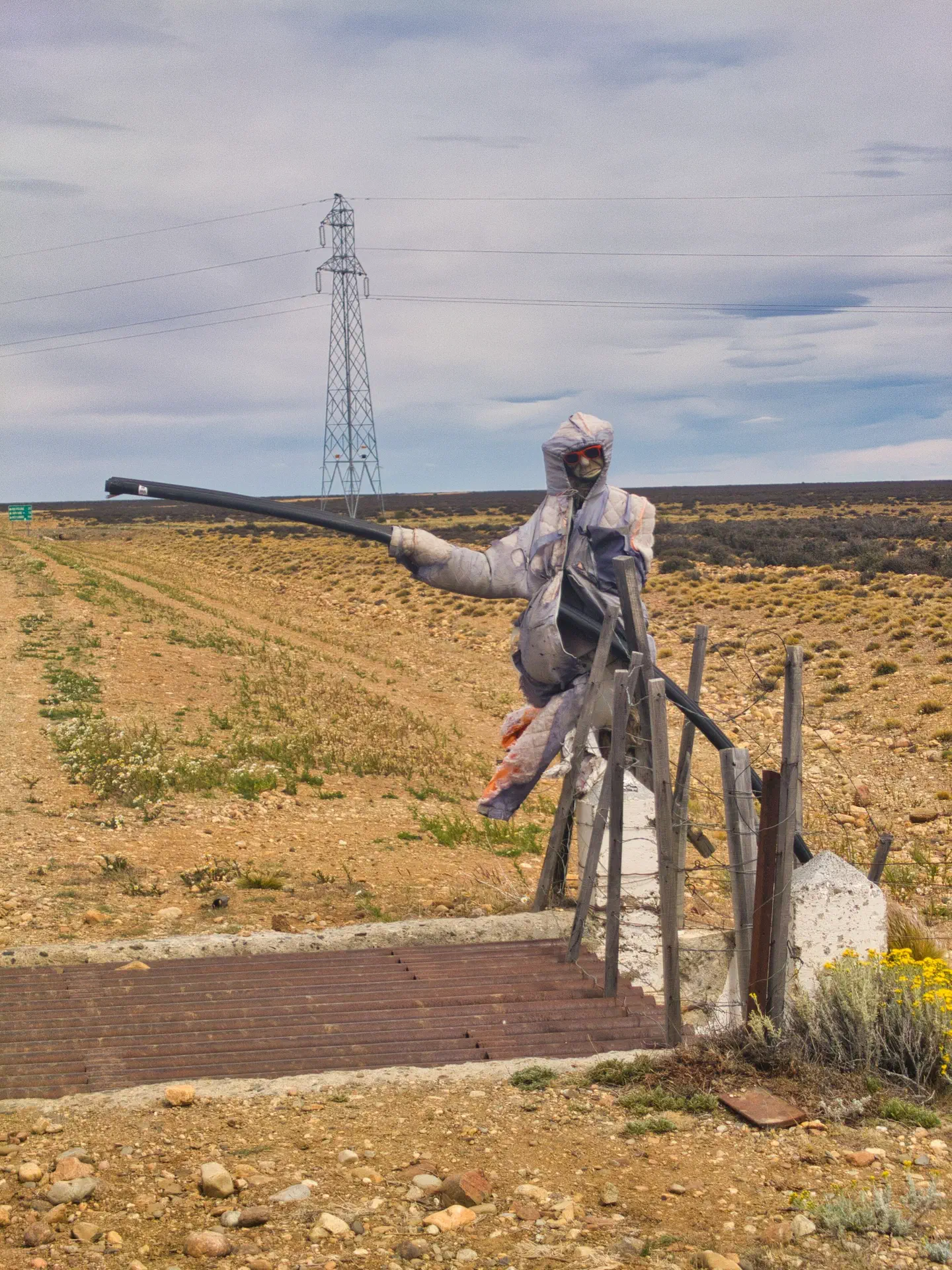
All-in-all a really nice trip - except for the return trip. The return drive from el Calten was nice, but long. The views of the wildlife were great. Guanacos (essentially llamas), Rhea (essentially ostriches), and birds of prey abound.
The flight situation was the only part that didn’t turn out well. It took us almost 34 hours to get back to Miami airport and back home. 10 hours in the Punta Arenas airport (noon - 10pm) and another 9 hours in the Santiago airport (3am - noon), the rest in the air and driving home.